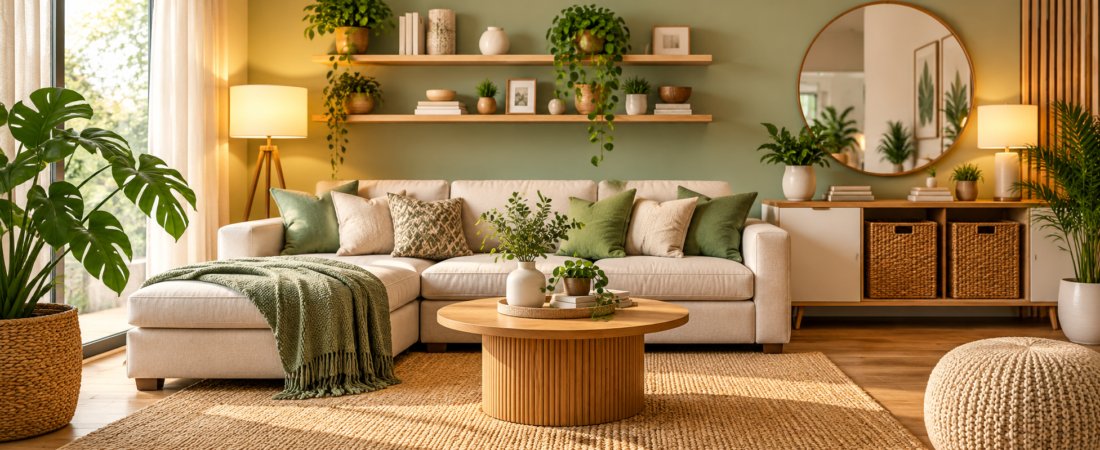
MintPalDecor home hacks from MyInteriorPalace, including affordable decorating, smart storage, lighting, and simple home improvement ideas. A beautiful home does not always require expensive furniture, professional designers, or a complete renovation. Sometimes, small changes can make the biggest difference. Rearranging furniture, improving lighting, adding natural decorations, and finding smarter storage solutions can completely change how a room looks and feels. MintPalDecor home hacks from MyInteriorPalace is a topic that brings attention to practical home improvement ideas that combine creativity, comfort, and everyday functionality. Whether you live in a small apartment, a family house, or a rented space, thoughtful decorating choices can help you create an environment that feels more organized and welcoming. The best part is that many home improvements can be completed with items you already own.
What Are MintPalDecor Home Hacks From MyInteriorPalace?
MintPalDecor home hacks from MyInteriorPalace can be understood as a collection of practical home decorating and organization ideas designed to make everyday living spaces more attractive and functional. The concept focuses on simple improvements, affordable decorating choices, creative storage, and clever ways to use available space. Rather than encouraging homeowners to spend heavily on new furniture, these ideas emphasize making better use of existing resources. For example, changing the position of a sofa, adding a mirror, organizing an unused corner, or introducing a few indoor plants can give a room a completely different appearance without requiring a major investment.
Why Simple Home Hacks Can Make a Big Difference
A comfortable home is not necessarily the one with the most expensive decorations. It is the one where everything has a purpose and the surroundings reflect the needs of the people living there. Small improvements can make everyday activities easier while creating a more pleasant atmosphere. A well-organized kitchen saves time during cooking, a properly arranged bedroom supports relaxation, and a thoughtfully decorated living room makes family gatherings more enjoyable. These improvements may seem minor individually, but their combined effect can make a noticeable difference in the overall experience of a home.
1. Refresh Your Living Room Without Buying New Furniture
The living room is often the first place people notice when entering a home, so keeping it attractive and comfortable is worth the effort. Instead of immediately purchasing a new sofa or coffee table, start by changing the furniture arrangement. Move chairs closer together to create a more inviting conversation area, reposition the sofa to improve movement, and remove decorative items that make the room feel crowded. You can also refresh the appearance with cushion covers, a simple throw blanket, or a small decorative tray. These inexpensive changes introduce a different look while allowing you to keep the furniture you already own.
2. Use Mirrors to Make Small Rooms Feel Bigger
Mirrors are among the easiest decorating accessories to use when a room feels dark or cramped. A properly positioned mirror reflects natural light and creates the impression of additional space. Placing a large mirror opposite or near a window can help distribute daylight throughout the room. You can also use a decorative mirror above a console table or in a narrow hallway to make the area feel more open. Choose a frame that complements your existing furniture instead of introducing too many different styles. The goal is to create a balanced appearance rather than making the mirror the only noticeable feature.
3. Make Better Use of Vertical Storage
When floor space is limited, looking upward can provide useful storage opportunities. Wall-mounted shelves, hanging organizers, and tall storage units help you use areas that might otherwise remain empty. In a bedroom, floating shelves can hold books, small plants, and personal accessories. In a kitchen, wall racks can organize frequently used utensils and containers. Vertical storage is particularly useful in apartments where adding large cabinets may make rooms feel crowded. Keep heavier objects on properly installed shelves and avoid filling every available space. A little open space makes the arrangement look cleaner and easier to maintain.
4. Improve Home Lighting With Simple Changes
Lighting influences the mood of a room more than many people realize. A space with poor lighting can feel uncomfortable even when its furniture and decorations are attractive. Start by making better use of natural daylight. Keep windows reasonably clear, choose light-colored curtains where appropriate, and avoid placing large objects directly in front of important light sources. For evenings, combine different lighting options such as ceiling lights, table lamps, and floor lamps. Warm lighting often works well in bedrooms and living areas because it creates a relaxed atmosphere, while brighter task lighting is useful for reading, cooking, and working.
5. Organize Your Kitchen for Easier Everyday Cooking
A kitchen becomes easier to use when frequently needed items are kept within reach. Start by removing expired products, unused containers, and duplicate utensils from cabinets. Group similar items together so that spices, baking ingredients, cooking tools, and everyday dishes each have a designated place. Clear containers can help you identify pantry ingredients quickly, while drawer dividers make it easier to organize smaller utensils. You can also use a wall-mounted rack for commonly used kitchen tools. These simple organization habits reduce unnecessary searching and help maintain a cleaner cooking environment.
6. Give Your Bedroom a More Relaxing Appearance
Your bedroom should feel like a place where you can slow down after a busy day. Fortunately, creating a relaxing atmosphere does not require a complete bedroom makeover. Begin with clean bedding, comfortable pillows, and a simple color combination. Neutral shades such as beige, cream, soft gray, and muted green can create a peaceful appearance. Keep bedside tables organized and avoid filling the room with unnecessary accessories. A small lamp, a framed photograph, or a low-maintenance indoor plant can add personality without making the space feel busy. Even changing the position of your bed may improve movement and make the room feel more balanced.
7. Use Indoor Plants to Bring Natural Beauty Inside
Indoor plants can make ordinary rooms feel more lively and connected to nature. Their green leaves introduce color without requiring complicated decorating arrangements. Small plants work well on shelves, desks, and windowsills, while larger varieties can become attractive features in empty corners. If you are new to indoor gardening, consider relatively easy-care plants such as pothos or snake plants, while checking whether their light and watering requirements suit your home. Remember that not every plant is suitable for every household, especially where pets or young children are present. Choose plants according to your available light, space, and maintenance routine.
8. Create a Functional Entryway
The entrance of a home is often overlooked, even though it is one of the most frequently used areas. Shoes, bags, keys, and other everyday belongings can quickly create clutter near the front door. A small shoe rack, a few wall hooks, and a decorative tray can make this space much easier to manage. If the entrance is narrow, choose slim furniture that does not block the walking area. A mirror can also make a small hallway feel brighter and more open. The most useful entryway is one that provides convenient storage without becoming another place where unnecessary items accumulate.
9. Decorate Your Walls Without Overspending
Empty walls can make a room feel unfinished, but covering every available surface with expensive artwork is unnecessary. A carefully arranged collection of affordable prints, personal photographs, or handmade decorations can add character. Choose a consistent frame style or color palette to create a coordinated appearance. Before hanging anything, arrange the frames on the floor to experiment with different layouts. This makes it easier to find a balanced arrangement without repeatedly making holes in the wall. If you rent your home, removable picture-hanging solutions may be worth considering, provided they are suitable for your wall surface.
10. Choose Multifunctional Furniture for Small Homes
Small homes require furniture that serves more than one purpose. A storage ottoman can provide seating while holding blankets or magazines, and a bed with built-in drawers can reduce the need for additional bedroom storage. Folding tables are useful in dining areas where permanent furniture would take up too much room. Before buying anything, consider how often you will use it and whether it genuinely solves a space problem. Multifunctional furniture should make daily routines easier rather than introducing complicated mechanisms or unnecessary features. Choosing a few practical pieces is often better than filling a small room with too many storage products.
11. Refresh Your Bathroom With Simple Organization Hacks
A bathroom can feel more comfortable when everyday products have designated storage spaces. Start by organizing toiletries, cleaning supplies, towels, and personal care products. Small baskets can keep similar items together, while wall-mounted shelves provide additional storage without occupying valuable floor space. A simple soap dispenser, matching towel set, and clean countertop can also improve the overall appearance. Pay attention to moisture when selecting storage materials because bathrooms regularly experience humidity. Good ventilation and regular cleaning are just as important as decorative improvements when maintaining a fresh and functional bathroom.
12. Make Your Home Look Better With a Consistent Color Scheme
One common decorating mistake is introducing too many unrelated colors into the same room. While different shades can create an interesting appearance, an unplanned combination may make a space feel visually crowded. A simple color scheme can help everything look more coordinated. Start with two or three main colors and introduce smaller accent shades through cushions, rugs, curtains, and decorative accessories. Neutral colors provide a flexible foundation, while muted green, terracotta, or navy can introduce personality. You do not need to replace every item to achieve a consistent appearance. Sometimes changing a few accessories is enough.
13. Reuse Old Household Items Creatively
Before throwing away household items, consider whether they can serve another purpose. Clean glass jars can become small storage containers or simple flower vases, while sturdy wooden crates may be transformed into decorative storage units. Old baskets can organize blankets, toys, or magazines. Even leftover fabric can be used to create cushion covers or decorative accents. However, reused items should be cleaned properly and checked for damage before being placed back into the home. Creative reuse saves money and reduces unnecessary waste while giving your living space a more personal appearance.
14. Keep Your Home Clutter-Free With a Daily Routine
A beautiful home is easier to maintain when small cleaning tasks become part of your daily routine. Instead of waiting until everything becomes messy, spend a few minutes returning items to their proper places. Fold blankets, clear kitchen counters, organize shoes, and remove unnecessary objects from frequently used surfaces. You can also follow a one-in-one-out approach when purchasing decorative accessories or household items. This means considering whether something should be removed before bringing another similar item into the home. Regular maintenance prevents clutter from building up and reduces the amount of time needed for larger cleaning sessions.
15. Create a Comfortable Outdoor Space
Even a small balcony, patio, or outdoor corner can become a pleasant place to relax. A compact chair, a few suitable plants, and weather-resistant accessories can transform an unused area into a comfortable seating spot. If the space is narrow, use vertical planters or railing-compatible containers where permitted. Soft outdoor lighting can make the area more inviting during the evening. Before adding furniture, consider weather exposure, drainage, and available walking space. A practical outdoor arrangement should be easy to clean and comfortable to use rather than simply looking attractive in photographs.
How to Apply MintPalDecor Home Hacks on a Limited Budget
Improving your home on a limited budget starts with understanding what actually needs attention. Instead of purchasing decorations immediately, walk through each room and identify the areas that feel uncomfortable, disorganized, or unfinished. Make a short list of improvements and prioritize changes that offer the greatest practical benefit. For example, organizing kitchen cabinets may be more useful than buying decorative accessories, while improving bedroom lighting could make a greater difference than replacing furniture. Reuse suitable household items, compare prices before purchasing, and complete one project at a time. This approach keeps spending under control while allowing you to make steady improvements.
Common Home Decorating Mistakes to Avoid
Buying Decorations Without Considering Space
Beautiful accessories can still create problems when they are too large or numerous for the room. Before purchasing anything, measure the available space and consider how the item will fit with existing furniture. Leaving some empty areas helps rooms feel more comfortable and visually balanced.
Ignoring Everyday Functionality
A room may look attractive but become frustrating when furniture blocks movement or storage is difficult to access. Always consider how you use the space before making decorating decisions. Good interior design should support everyday activities rather than make them more complicated.
Following Every Decorating Trend
Trends can provide inspiration, but not every popular design choice will suit your home. Choose colors, furniture, and accessories according to your personal preferences and practical requirements. A comfortable home should reflect the people living in it instead of looking like an exact copy of a showroom.
Using Too Many Different Colors and Patterns
Combining too many strong colors and decorative patterns can make a room feel overwhelming. Try to maintain a consistent color palette and introduce contrast through a limited number of accessories. This creates a more coordinated appearance without making the room boring.
How to Build a Simple Home Improvement Plan
The easiest way to improve your home is to avoid doing everything at once. Choose one room, identify its biggest problem, and decide which small changes can solve it. For example, a cluttered bedroom may need better storage rather than new furniture. A dark living room may benefit from improved lighting and lighter window coverings. Once the first area is complete, move to another room. Taking this gradual approach makes home improvement more manageable and gives you time to understand which changes are genuinely useful.
Conclusion
A welcoming home is created through thoughtful decisions, not necessarily expensive purchases. Small improvements such as better furniture placement, creative storage, indoor plants, coordinated colors, and improved lighting can make everyday spaces more comfortable and attractive. MintPalDecor home hacks from MyInteriorPalace is a useful search topic for exploring these practical decorating ideas and understanding how simple changes can improve a living environment. Whether you are updating one bedroom or organizing an entire house, start with the improvements that solve real problems. Keep your choices practical, work within your budget, and remember that the best home design is one that makes everyday life easier.
Frequently Asked Questions
1. What are MintPalDecor home hacks from MyInteriorPalace?
They refer to practical home decorating, organization, and improvement ideas focused on making living spaces more attractive, comfortable, and functional.
2. How can I improve my home without spending much money?
Rearrange existing furniture, reuse household items, organize storage areas, add affordable decorations, and improve lighting. These changes can refresh your home without expensive renovations.
3. How can I make a small room look bigger?
Use mirrors, lighter colors, multifunctional furniture, vertical shelving, and appropriate lighting. Avoid overcrowding the room with unnecessary furniture and accessories.
4. What are some easy home organization hacks?
Use storage baskets, drawer dividers, wall shelves, labeled containers, and designated spaces for everyday belongings. Regular decluttering also helps maintain an organized home.
5. Which colors make a home feel more comfortable?
Beige, cream, soft gray, warm white, and muted green are popular choices for creating a calm atmosphere. You can introduce stronger colors through smaller decorative accessories.
Read also: Best Construction Materials for Building a Durable Home