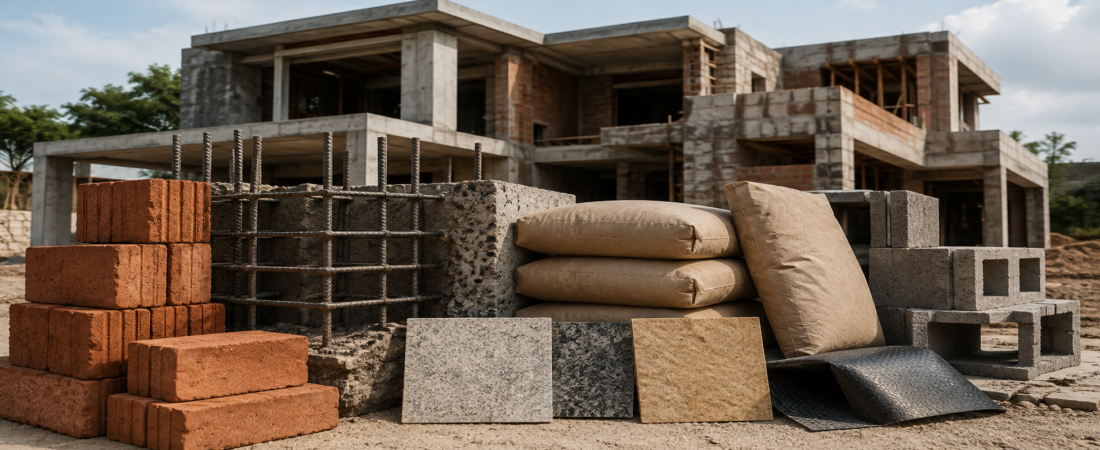
Best construction materials for building a durable home, including concrete, bricks, steel, roofing, insulation, and waterproofing options. Building a home is a major investment, and everyone wants that investment to last for generations. However, a house does not become durable simply because it looks beautiful or has an expensive design. Its strength depends on the quality of materials used during construction, the way those materials are installed, and how well they suit the local climate. From the foundation and structural concrete to bricks, roofing, flooring, and plumbing, every material plays an important role in the home’s overall performance. Choosing the right options from the beginning can reduce maintenance costs, prevent common structural problems, and make everyday living more comfortable. In this guide, we will explore the best construction materials for building a durable home, explain where each one works best, and discuss what homeowners should consider before purchasing them.
Why Choosing the Right Construction Materials Matters
Construction materials directly affect how a house performs over time. Low-quality cement, poorly manufactured bricks, or unsuitable reinforcement steel can create problems that may not become visible until years after construction. On the other hand, properly selected materials help a building withstand everyday use, changing weather conditions, moisture, and other environmental challenges. Good material selection also improves energy efficiency, indoor comfort, and the overall value of a property. This is why homeowners should consider long-term performance rather than choosing materials based only on their initial price.
1. Reinforced Concrete for Strong Foundations and Structures
Reinforced concrete is one of the most widely used materials in residential construction because it combines the compressive strength of concrete with the tensile strength of steel reinforcement. It is commonly used for foundations, columns, beams, slabs, and other important structural elements. When properly designed and installed, reinforced concrete provides a strong framework that supports the weight of a building and helps it resist different structural forces. Its durability depends on several factors, including the correct concrete mix, suitable reinforcement placement, proper compaction, and adequate curing. Homeowners should always have a qualified structural engineer determine the concrete specifications according to soil conditions, building design, and applicable building codes.
2. High-Quality Bricks for Durable Walls
Bricks are a traditional construction material that remains popular because of their strength, availability, and practical performance. Good-quality clay bricks can provide durable walls, reasonable thermal performance, and resistance to everyday wear. They are commonly used for exterior walls, interior partitions, and boundary walls. However, not all bricks offer the same level of quality. Well-fired bricks with consistent dimensions, solid construction, and minimal visible cracks are generally preferable to weak or poorly manufactured ones. Before purchasing a large quantity, homeowners should check the supplier’s quality standards and consider testing samples for water absorption and compressive strength.
3. Quality Cement for Reliable Construction Work
Cement is an essential ingredient in concrete and mortar, making it one of the most important materials on a construction site. It helps bind sand, aggregates, and other components together to create strong building elements. Using suitable cement from a reliable manufacturer can improve the consistency and performance of construction work. However, even good cement cannot produce strong concrete if it is mixed incorrectly or handled poorly. Homeowners should check manufacturing dates, packaging condition, applicable standards, and storage conditions before purchasing. Cement should be stored in a dry, covered area because exposure to moisture can cause it to harden prematurely and lose some of its effectiveness.
4. Reinforcement Steel for Structural Stability
Reinforcement steel plays a critical role in buildings that use reinforced concrete. Concrete handles compression well but is comparatively weak when subjected to tension. Steel bars help overcome this limitation by improving the structural element’s ability to resist tensile forces. They are commonly placed inside foundations, columns, beams, and slabs according to an engineer’s structural drawings. The correct steel grade, diameter, spacing, and placement all matter. It is also important to protect reinforcement from excessive corrosion by maintaining proper concrete cover and using suitable concrete specifications. Cutting corners on reinforcement quality can create serious safety concerns, so this is not an area where homeowners should make decisions based only on cost.
5. Natural Stone for Long-Lasting Surfaces
Natural stone is a durable option for homeowners who want attractive surfaces that can withstand years of use. Granite, limestone, marble, and sandstone are commonly used in flooring, wall cladding, staircases, countertops, and outdoor areas. Each type has different characteristics, so the right choice depends on where it will be installed. Granite is often suitable for heavily used surfaces because of its hardness, while marble offers an elegant appearance but may require more maintenance. Some limestone and sandstone varieties can absorb moisture and need appropriate sealing. Choosing stone according to its strength, porosity, finish, and intended application can help prevent unnecessary repairs.
6. AAC Blocks for Lightweight and Energy-Efficient Walls
Autoclaved aerated concrete (AAC) blocks are increasingly considered an alternative to traditional clay bricks. They are manufactured using a process that creates small air pockets throughout the material, making them lighter than conventional concrete blocks. This lightweight structure can reduce the dead load placed on a building’s structural system when properly accounted for in the design. AAC blocks also provide useful thermal insulation, which may help maintain more comfortable indoor temperatures. They can be easier to cut and install, although their use requires compatible mortar, proper handling, and suitable plastering systems. Homeowners should compare the quality and availability of AAC blocks with traditional masonry options before making a decision.
7. Waterproofing Materials for Roofs and Foundations
Water damage is one of the most common reasons residential buildings require repairs. Roof leaks, damp walls, and moisture entering through foundations can gradually damage paint, plaster, flooring, and even structural components. Waterproofing materials help create protective barriers against unwanted water penetration. Common options include liquid-applied waterproofing coatings, bituminous membranes, cementitious waterproofing products, and suitable protective sealants. The best solution depends on the surface, water exposure, and local climate. For example, a flat concrete roof may need a waterproofing system designed to handle standing water and temperature changes. Proper surface preparation and professional installation are just as important as the product itself.
8. High-Quality Roofing Materials for Weather Protection
The roof protects the entire house from sunlight, rain, wind, and changing temperatures. Choosing suitable roofing materials can improve a building’s durability while also making indoor spaces more comfortable. Reinforced concrete slabs are common in many residential buildings, while metal sheets, clay tiles, concrete tiles, and other roofing systems are used in different designs. Each option has its own advantages and limitations. For example, metal roofing can be lightweight and relatively quick to install, but it needs suitable corrosion protection and insulation. Concrete roofs can be durable when properly designed, reinforced, cured, and waterproofed. Homeowners should consider the local weather, roof slope, drainage, insulation, and maintenance requirements before selecting a roofing system.
9. Ceramic and Porcelain Tiles for Durable Flooring
Flooring materials influence both the appearance and everyday practicality of a home. Ceramic and porcelain tiles are popular choices because they are relatively easy to clean and come in many designs, sizes, and finishes. Porcelain tiles are generally denser and less water-absorbent than ordinary ceramic tiles, which can make them suitable for kitchens, bathrooms, and other areas exposed to moisture. However, homeowners should also pay attention to slip resistance, surface finish, tile thickness, and installation quality. A beautiful tile can still become a problem if it is installed on an uneven surface or with unsuitable adhesive. Selecting the right tile for each room helps create flooring that looks good and performs well.
10. PPR and uPVC Pipes for Reliable Plumbing
Plumbing is an important part of residential construction, even though most of its components remain hidden behind walls and beneath floors. Poor-quality pipes can lead to leakage, water damage, pressure problems, and expensive repairs. PPR pipes are commonly used for hot and cold water supply systems because they resist corrosion and can be joined through heat fusion. uPVC pipes are widely used in drainage and wastewater applications, depending on the product’s rating and local plumbing requirements. Homeowners should choose pipes that meet relevant standards and are suitable for their intended use. Correct pipe sizing, proper connections, pressure testing, and accessible maintenance points also contribute to a reliable plumbing system.
11. Aluminium and uPVC Windows for Long-Term Performance
Windows affect natural lighting, ventilation, indoor comfort, and the energy performance of a house. Aluminium and uPVC are two popular frame materials, each offering different benefits. Aluminium frames are strong, relatively lightweight, and suitable for modern window designs with slim profiles. Thermally broken aluminium systems can also improve insulation compared with standard aluminium frames. uPVC frames provide good resistance to moisture and do not rust, making them a practical option for many residential settings. The final performance depends on frame quality, glass selection, weather seals, drainage, and professional installation. A well-fitted window can help reduce air leakage and protect interiors from rainwater.
12. Insulation Materials for Better Indoor Comfort
Insulation is sometimes overlooked during residential construction, but it can make a noticeable difference in how comfortable a home feels. Materials such as mineral wool, fiberglass, rigid foam boards, and other approved insulation products help reduce unwanted heat transfer through roofs, walls, and ceilings. In warmer regions, suitable roof insulation can reduce the amount of heat entering the upper floors during hot weather. Insulation can also improve sound control and reduce the workload on cooling and heating systems. The best material depends on the location, available installation space, fire-safety requirements, moisture exposure, and building design. Proper installation is essential because gaps and poorly fitted sections can reduce insulation performance.
13. Gypsum Board for Practical Interior Finishing
Gypsum board is commonly used for interior walls, ceilings, partitions, and decorative ceiling designs. It offers a relatively smooth surface that can be painted or finished according to the home’s interior style. It is also useful for creating lightweight partitions without constructing every internal wall using traditional masonry. Standard gypsum boards are not designed for constant water exposure, so moisture-resistant products should be considered in appropriate areas, following manufacturer guidance. Fire-rated boards are also available for specific applications. Choosing the right board type and installing it with suitable framing, joint treatment, and finishing materials can improve the appearance and performance of interior spaces.
How to Choose the Best Construction Materials for Your Home
Selecting materials becomes easier when homeowners consider the building’s location, design, budget, and long-term requirements together. A material that performs well in one environment may not be the best choice in another. Start by discussing structural requirements with a qualified architect or engineer, then compare products based on their technical specifications, quality certifications, and suitability for the intended application. It is also worth checking local availability and the reputation of suppliers. Instead of buying the cheapest option, consider the total cost of installation, maintenance, repairs, and expected service life. A sensible combination of quality materials can provide better value than spending heavily on only a few visible finishes.
Common Mistakes to Avoid When Buying Construction Materials
One common mistake is choosing construction materials based entirely on price. Cheaper products may seem attractive at first, but poor quality can result in early deterioration and higher repair costs. Another problem is purchasing materials without checking their specifications or compatibility with other building components. For example, using an unsuitable waterproofing product or incorrect plumbing fittings can create problems even when the materials appear perfectly fine. Homeowners should also avoid storing cement, steel, and other products in unsuitable conditions. Finally, do not make structural changes or replace specified materials without consulting the relevant professional. Good construction depends on both the quality of the products and the decisions made during installation.
Are Expensive Construction Materials Always Better?
Not necessarily. A higher price does not automatically mean a material will provide better performance. Some affordable products meet the required standards and work very well when installed correctly. At the same time, extremely cheap materials may have inconsistent quality or fail to meet the specifications needed for a particular application. The smarter approach is to compare technical performance, durability, manufacturer information, warranty conditions, and installation requirements. For structural components, professional specifications should always take priority over personal assumptions about price or appearance. Spending wisely means paying for the performance a building actually needs rather than simply choosing the most expensive option.
Best Construction Materials for Homes in Different Climates
Climate should play an important role in construction planning because temperature, humidity, rainfall, and coastal conditions can affect materials differently. In hot regions, roof insulation, reflective finishes, suitable wall systems, and effective ventilation can improve indoor comfort. In areas with heavy rainfall, waterproofing, drainage, and moisture-resistant finishes deserve extra attention. Coastal environments require careful consideration of reinforcement corrosion, metal protection, and suitable concrete specifications because salt exposure can accelerate deterioration. Cold climates may require greater attention to insulation, airtightness, and moisture management. Choosing materials according to local environmental conditions helps a home remain functional and comfortable for longer.
Conclusion
Building a durable home starts with making informed decisions before construction begins. Reinforced concrete, quality bricks, suitable cement, reinforcement steel, waterproofing systems, reliable plumbing, and appropriate insulation all contribute to a building’s long-term performance. However, no single material can guarantee durability on its own. Good design, suitable specifications, skilled workmanship, proper installation, and regular maintenance are equally important. Rather than focusing only on the appearance or initial cost of materials, homeowners should consider how each component will perform over the years. A carefully planned combination of reliable construction materials can help create a safe, comfortable, and long-lasting home.
Frequently Asked Questions (FAQs)
1. What are the best construction materials for building a durable home?
Reinforced concrete, quality bricks, reinforcement steel, suitable cement, natural stone, and reliable waterproofing materials are among the best choices for building a durable home. The right combination depends on the building design and local climate.
2. Which material is best for building strong house walls?
High-quality clay bricks and AAC blocks are popular choices for residential walls. Clay bricks offer traditional durability, while AAC blocks are lightweight and provide useful thermal insulation.
3. Is reinforced concrete good for home construction?
Yes, reinforced concrete is widely used for foundations, columns, beams, and slabs because it combines concrete’s compressive strength with steel’s tensile strength. Proper structural design and installation are essential.
4. Which construction materials are best for hot climates?
Materials with suitable thermal insulation, reflective roofing, and good moisture resistance can help homes perform better in hot climates. Proper ventilation and roof insulation are also important.
5. Why is waterproofing important in home construction?
Waterproofing helps prevent water from entering roofs, foundations, bathrooms, and other vulnerable areas. It reduces the risk of dampness, leakage, mold growth, and moisture-related damage.
Read also: Interior Design Tips MintPalDecor for a Beautiful Home