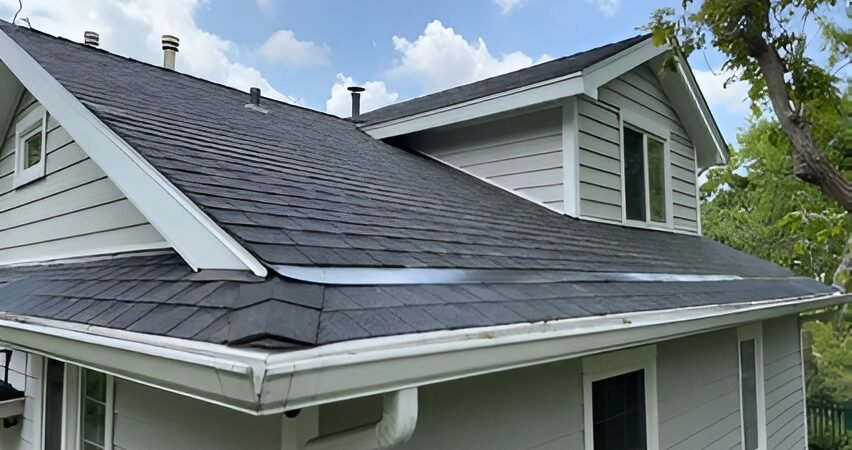
Vinyl Roofing HomeRocketRealty is a durable synthetic plastic that has been used in construction for decades. Unlike traditional asphalt shingles, vinyl roofing is commonly installed as a flexible membrane over flat or low-slope roofs, creating a waterproof barrier that resists rain, sunlight, chemicals, and everyday wear. The material is engineered to withstand challenging weather conditions while remaining lightweight, making it a popular option for both residential homes and commercial buildings.
Why Vinyl Roofing Has Become More Popular
Homeowners today expect more from their roofs than simple protection from rain. Modern roofing materials are expected to improve energy efficiency, reduce maintenance costs, and last for decades without constant repairs. Vinyl roofing meets these expectations by combining waterproof performance with impressive longevity, making it an attractive alternative to older roofing materials that often require more frequent maintenance or replacement.
Understanding the HomeRocketRealty Perspective
The phrase vinyl roofing HomeRocketRealty is commonly associated with homeowners searching for practical home improvement information related to roofing upgrades, exterior renovations, and property maintenance. Home improvement platforms often discuss roofing choices because a quality roof directly affects property value, energy efficiency, insurance considerations, and long-term maintenance costs. Vinyl roofing consistently appears as one of the most recommended solutions for flat and low-slope roofing applications.
How Vinyl Roofing Works
Unlike shingles that overlap to create protection, vinyl roofing is installed as large sheets that are mechanically attached or fully adhered to the roof deck. The seams between each sheet are heat welded together, creating a single waterproof membrane that prevents leaks and moisture penetration. This seamless construction significantly reduces weak points where water could otherwise enter the building.
Advantages of Vinyl Roofing
One of the biggest reasons homeowners choose vinyl roofing is its remarkable combination of strength and efficiency. PVC roofing resists ultraviolet rays, heavy rainfall, ponding water, mold growth, mildew, and many chemicals that would gradually damage traditional roofing materials. Because the surface reflects a significant amount of sunlight, it also helps lower indoor temperatures during hot weather, reducing air conditioning costs throughout the summer.
Excellent Waterproof Protection
Water damage remains one of the most expensive home repair issues, but vinyl roofing provides exceptional protection because its welded seams create a continuous waterproof surface. Unlike roofing systems that rely on overlapping materials or exposed fasteners, properly installed PVC roofing minimizes the chance of leaks even during prolonged heavy rainfall or standing water conditions.
Outstanding Durability
Durability is one of vinyl roofing’s strongest selling points. A professionally installed PVC roof can easily last between twenty and thirty years, while premium systems may perform even longer with regular maintenance. The material remains flexible under changing temperatures, reducing the risk of cracking, splitting, or premature deterioration that can occur with some traditional roofing products.
Energy Efficiency Benefits
Many vinyl roofing membranes are manufactured in bright white or reflective finishes that reduce heat absorption throughout the day. Instead of trapping solar heat inside the building, the roof reflects much of the sunlight back into the atmosphere, helping maintain cooler indoor temperatures and lowering energy consumption during warmer months.
Low Maintenance Requirements
Vinyl roofing requires surprisingly little maintenance compared to many conventional roofing materials. Routine inspections, occasional cleaning, and prompt removal of debris are generally enough to keep the system performing efficiently. Because the membrane naturally resists algae, mold, and mildew growth, homeowners spend less time dealing with recurring maintenance issues.
Resistance to Weather Conditions
Modern PVC roofing is engineered to withstand many challenging weather conditions, including heavy rain, hail, strong winds, prolonged sunlight, and fluctuating temperatures. Its flexibility allows it to expand and contract without significant damage, helping preserve the roof’s integrity through seasonal weather changes.
Is Vinyl Roofing Suitable for Every Home?
Although vinyl roofing offers numerous advantages, it is not the ideal solution for every property. It performs exceptionally well on flat and low-slope roofs but is generally less suitable for steep residential roofs where asphalt shingles, metal roofing, or tile systems may provide a more practical installation.
Comparing Vinyl Roofing with Asphalt Shingles
Asphalt shingles remain one of the most common roofing materials because they are affordable and widely available, but they usually require replacement sooner than vinyl roofing. While shingles perform well on sloped roofs, PVC roofing offers superior waterproof protection, longer lifespan, better energy efficiency, and lower maintenance for flat roofing applications.
Vinyl Roofing Versus Metal Roofing
Metal roofing is another durable option known for its longevity and weather resistance, but vinyl roofing often provides better waterproof performance for flat roofs because it eliminates exposed seams and fasteners. Additionally, PVC membranes generally cost less to repair if localized damage occurs, making maintenance more manageable over the roof’s lifetime.
Common Applications of Vinyl Roofing
Although many homeowners associate vinyl roofing with commercial buildings, it is increasingly used on residential structures featuring modern architectural designs. Garages, home additions, apartment buildings, office complexes, schools, warehouses, shopping centers, and healthcare facilities all benefit from the waterproof performance offered by PVC roofing systems.
Installation Process
Installing vinyl roofing begins with preparing a clean and structurally sound roof deck before placing insulation where required. Large PVC sheets are then positioned across the roof and secured using mechanical fasteners or adhesives, after which specialized heat welding equipment permanently seals every seam to create one continuous waterproof membrane that protects the structure beneath.
Cost Considerations
The initial investment for vinyl roofing is generally higher than asphalt shingles, but many homeowners recover those costs over time through lower maintenance expenses, reduced repair needs, longer service life, and improved energy efficiency. When viewed as a long-term investment rather than an upfront expense, vinyl roofing often delivers excellent overall value.
Maintenance Tips
Maintaining vinyl roofing is relatively simple because most issues can be prevented through annual inspections, removing leaves and debris, checking drainage systems, cleaning accumulated dirt, and repairing minor punctures before they develop into larger problems. Consistent preventative care significantly extends the roof’s lifespan while maintaining its waterproof performance.
Environmental Benefits
Vinyl roofing supports sustainable construction because many PVC roofing products are recyclable at the end of their service life. Their reflective surfaces also contribute to reducing urban heat buildup while lowering building energy consumption, making them an environmentally responsible choice for many property owners seeking greener construction solutions.
Signs It May Be Time for a Roof Replacement
Even durable roofing materials eventually reach the end of their service life, and homeowners should pay attention to recurring leaks, visible membrane damage, excessive repairs, shrinking seams, water pooling, or declining energy efficiency. Addressing these warning signs early helps avoid structural damage and costly interior repairs.
Choosing a Professional Roofing Contractor
Selecting an experienced roofing contractor is just as important as selecting the right roofing material because installation quality directly affects performance and longevity. A qualified contractor should have experience with PVC roofing systems, proper certifications, positive customer reviews, transparent pricing, and a willingness to explain every stage of the installation process before work begins.
Common Myths About Vinyl Roofing
Some homeowners mistakenly believe vinyl roofing is fragile or intended only for commercial buildings, but modern PVC roofing membranes are specifically engineered for long-term performance in demanding environments. Advances in manufacturing have significantly improved strength, flexibility, weather resistance, and overall lifespan, making vinyl roofing a practical option for many residential applications.
Is Vinyl Roofing Worth the Investment?
For homeowners with flat or low-slope roofs, vinyl roofing represents one of the most dependable long-term investments available today because it combines durability, waterproof protection, energy efficiency, and relatively low maintenance into a single roofing system. While the initial cost may exceed some traditional materials, the long service life and reduced repair expenses often make it a financially sound decision over time.
Conclusion
The growing interest in vinyl roofing HomeRocketRealty reflects a broader trend among homeowners who want roofing materials that deliver lasting value rather than short-term savings. PVC roofing has earned its reputation through decades of reliable performance, exceptional waterproofing, impressive durability, and energy-saving benefits that continue to attract both residential and commercial property owners. Whether you’re building a new home, replacing an aging roof, or simply researching modern roofing options, vinyl roofing deserves serious consideration because it offers a balanced combination of performance, longevity, and peace of mind. By working with an experienced contractor and following routine maintenance practices, homeowners can expect many years of dependable protection while improving both comfort and property value.
Frequently Asked Questions
What is vinyl roofing made from?
Vinyl roofing is primarily made from polyvinyl chloride (PVC), a strong synthetic material designed to provide waterproof, weather-resistant, and long-lasting roofing protection.
How long does vinyl roofing last?
A professionally installed vinyl roofing system typically lasts between 20 and 30 years, although premium installations can exceed that lifespan with proper maintenance.
Is vinyl roofing energy efficient?
Yes. Most PVC roofing membranes are highly reflective, helping reduce heat absorption and lowering cooling costs during warm weather.
Can vinyl roofing be installed on any roof?
Vinyl roofing performs best on flat and low-slope roofs and is generally not recommended for steep residential roofs where shingles or other materials are more appropriate.
Does vinyl roofing require a lot of maintenance?
No. Routine inspections, occasional cleaning, and prompt repairs of minor damage are usually enough to keep vinyl roofing in excellent condition.