vinyl roof vs steel roofing for Tampa climate, including heat, rain, hurricanes, durability, maintenance, cost, and energy efficiency. For most pitched homes in Tampa, steel roofing is generally the better long-term choice because it offers excellent durability, a long service life, strong weather resistance, and good performance in Florida’s heat. Vinyl roofing, usually referring to PVC or similar single-ply membranes, can be a good option for flat or low-slope roofs where waterproofing is a major concern. Neither material is automatically right for every home, so the roof’s design and installation quality matter just as much as the material itself.
What Makes Tampa’s Climate Hard on Roofs?
Tampa’s weather can be demanding on residential roofing. Strong sunlight can gradually affect roofing materials, while high humidity creates a consistently moist environment. During the rainy season, roofs may face repeated heavy downpours, and tropical storms can bring powerful wind and flying debris. Homes near the coast may also have greater exposure to salty air, which makes corrosion protection especially important. A roof that performs well in a mild climate may not provide the same long-term value in Florida.
What Is Vinyl Roofing?
Vinyl roofing generally refers to a PVC roofing membrane used on flat and low-slope buildings. It is installed in sheets that are joined together to create a water-resistant surface. PVC roofing is popular for commercial buildings and some residential structures because it can provide reliable waterproofing without the weight of a traditional roof system. Its light color and reflective surfaces can also help reduce heat absorption, which is useful under Florida’s strong sun.
What Is Steel Roofing?
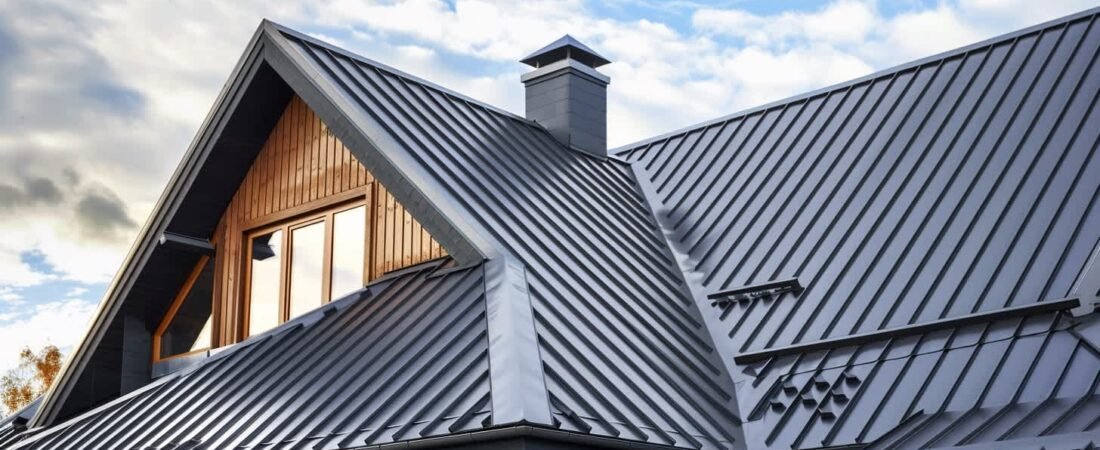
Steel roofing uses formed metal panels or shingles made from steel and protected with coatings designed to resist weather and corrosion. Modern steel roofs can have painted or stone-coated finishes and are available in many styles and colors. Unlike older metal roofs that were sometimes associated with industrial buildings, today’s steel roofing can be designed to complement traditional, coastal, modern, and suburban Florida homes.
How Does Vinyl Roofing Perform in Tampa Heat?
Vinyl roofing can perform well under strong sunlight when the product is properly manufactured and installed. Many PVC roofing systems are designed to reflect a significant amount of solar energy, which can help reduce heat gain through the roof. However, prolonged exposure to Florida’s intense sun can still place stress on roofing materials over time. Proper installation, membrane quality, flashing, seams, and maintenance all play a role in how well the system performs.
How Does Steel Roofing Perform in Tampa Heat?
Steel can be an excellent choice for Tampa’s hot climate, particularly when the roof has a reflective finish. A properly coated metal roof can reflect more solar radiation than a dark, heat-absorbing roof surface. Steel also does not soften or become structurally weak simply because Tampa experiences very high summer temperatures. The roof assembly still needs adequate ventilation and insulation, but the metal itself can provide a durable exterior barrier against the elements.
Which Handles Heavy Rain Better?
Both materials can provide excellent protection from Tampa’s frequent rain when correctly installed. Vinyl membranes are especially useful on low-slope roofs because the continuous membrane can create a strong waterproof layer with properly welded seams. Steel roofing relies on overlapping panels, fasteners, seams, flashing, and drainage design to keep water out. For either system, poor installation can create leaks even when the roofing material itself is high quality.
Which Is Better for Tampa Hurricanes and Strong Winds?
For hurricane-prone areas, wind resistance should be one of the first things you check rather than simply choosing a material based on its name. Steel roofing can provide excellent wind performance when the panels, fasteners, underlayment, edge details, and attachment system are designed and installed for the required wind loads. Vinyl roofing can also be engineered for strong wind performance, but the specific membrane system and attachment method matter greatly. Homeowners should verify that the roofing system meets applicable Florida and local building requirements.
Is Steel Roofing More Durable Than Vinyl?
In many residential applications, steel has the durability advantage. A well-maintained steel roof can potentially last several decades, with some systems reaching 40 to 70 years or more depending on the material, coating, environment, and installation. Vinyl membranes can also provide many years of service, but their lifespan depends heavily on membrane quality, exposure, installation details, and maintenance. For homeowners looking for a roof that they may not need to replace for a very long time, steel is often attractive.
How Does Humidity Affect Both Roofing Materials?
Tampa’s humidity makes moisture management important. PVC roofing itself is resistant to moisture and does not rust, which is a major advantage. Steel, on the other hand, can corrode if the protective coating is damaged or if the wrong product is used for the environment. This does not mean steel is unsuitable for Tampa. Modern galvanized and Galvalume-coated steel roofing products are specifically designed to improve corrosion resistance. In coastal locations, homeowners should pay particular attention to the manufacturer’s recommendations for the local exposure conditions.
Which Roof Requires Less Maintenance?
Both options can be relatively low-maintenance, but neither should simply be installed and forgotten. Steel roofs should be inspected periodically for damaged coatings, loose fasteners, corrosion, blocked drainage areas, and storm damage. Vinyl systems should be checked for punctures, seam problems, membrane damage, and issues around penetrations and flashing. After a major Tampa storm, a professional inspection can be worthwhile even when the roof appears fine from the ground.
Is Vinyl Roofing Cheaper Than Steel?
The answer depends on the building and roofing system. Vinyl membrane roofing can be cost-effective for flat or low-slope applications because the system is relatively lightweight and designed specifically for those roof shapes. Steel roofing generally has a higher upfront cost than some conventional roofing materials, and premium metal systems can cost more than basic options. However, looking only at installation price can be misleading. A roof with a longer service life and fewer major replacements may provide better value over several decades.
Which Roofing Material Is More Energy Efficient?
Both can support an energy-efficient home when the complete roofing assembly is designed properly. Reflective PVC roofing can reduce solar heat absorption, which can be helpful on low-slope roofs. Steel roofing can also be highly reflective when finished with an appropriate light-colored or reflective coating. Insulation, attic ventilation, roof color, decking, and the home’s overall design also affect energy performance. The material alone does not determine how cool a Tampa home will remain.
Which Is Better for a Typical Tampa House?
For a typical Tampa house with a pitched residential roof, steel is usually the more practical choice between these two materials. It offers long-term durability, a wide range of styles, good resistance to severe weather when correctly installed, and strong performance under Florida’s sun and rain. Vinyl becomes more appealing when the property has a flat or very low-slope roof where a membrane system is naturally suited to the design.
When Should You Choose Vinyl Roofing?
Vinyl roofing may make sense when you have a flat or low-slope roof and want a membrane system focused on waterproofing. It can also be attractive when solar reflectivity and lightweight construction are priorities. PVC membranes are resistant to moisture and do not suffer from the rust problems associated with exposed steel. The key is choosing a reputable roofing system and ensuring the seams, flashing, drainage, and attachment details are professionally handled.
When Should You Choose Steel Roofing?
Steel roofing is worth considering if you have a pitched home and want a long-lasting roofing system. It can be particularly appealing to homeowners who plan to stay in their property for many years and want to reduce the frequency of major roof replacements. A quality steel system with a suitable protective coating can handle Tampa’s sun, rain, humidity, and severe weather conditions very well when installed correctly.
What About Coastal Tampa Homes?
Coastal exposure deserves extra attention. Salt carried through humid coastal air can accelerate corrosion on susceptible metals, so homeowners closer to the Gulf should not choose steel roofing based only on appearance or price. Ask the manufacturer or roofing contractor about the coating, corrosion resistance, fasteners, and warranty for your specific location. Vinyl has an advantage here because the membrane itself does not rust, although other components of the roofing system still need to be selected appropriately.
Does Roof Color Matter in Tampa?
Yes, roof color can influence heat absorption. Dark surfaces generally absorb more solar heat than lighter, reflective finishes. This is one reason reflective coatings and lighter-colored roofing products can be useful in Florida. With steel roofing, homeowners have a broad range of finishes to choose from, so it is possible to balance curb appeal with solar performance. A roofing professional can also explain how the selected finish affects the product’s energy and warranty characteristics.
Why Installation Quality Matters So Much
Even the best roofing material can fail when it is installed poorly. In Tampa, details such as flashing, roof edges, fasteners, underlayment, drainage, penetrations, and wind-rated attachment systems deserve careful attention. This is especially important during severe weather. Rather than asking only, “Which material is strongest?” homeowners should also ask whether the entire roofing assembly is properly designed for the property and installed according to applicable requirements.
Vinyl Roof vs Steel Roofing: Pros and Cons
Vinyl Roofing Pros
Vinyl roofing is lightweight, waterproof, resistant to moisture, and well suited to many flat or low-slope roofs. Reflective membranes can also help reduce solar heat gain. Because PVC does not rust, it can be useful in humid environments where corrosion is a concern.
Vinyl Roofing Cons
Vinyl membrane roofing is not the natural choice for every pitched residential roof. The membrane can also be damaged by punctures or impacts, and seams and flashing need proper installation and maintenance. Its long-term performance depends heavily on the quality of the complete roofing system.
Steel Roofing Pros
Steel roofing offers excellent durability, a potentially very long service life, strong weather resistance, and many design choices. It can perform particularly well on pitched Tampa homes and can be finished with coatings that improve resistance to sunlight and corrosion.
Steel Roofing Cons
Steel generally costs more upfront than many basic roofing materials. It can also be vulnerable to corrosion if the protective coating is damaged or if unsuitable materials are used for the environment. Installation needs to be precise, especially around fasteners, edges, flashing, and penetrations.
Which Roof Is Best for Tampa: Vinyl or Steel?
If you’re comparing vinyl roof vs steel roofing for Tampa climate, the best choice usually comes down to roof design. For a conventional pitched home, steel roofing is generally the stronger all-around option because of its durability, longevity, and ability to handle Florida’s demanding weather. For a flat or low-slope roof, a quality PVC membrane can be an excellent solution because it provides a continuous waterproof surface and good solar reflectivity.
The smartest approach is not to choose based on price alone. Look at the expected lifespan, wind rating, corrosion protection, energy performance, maintenance needs, warranty, and installation quality. In Tampa, those details can make a much bigger difference than the material name printed on the product brochure.
Conclusion
Tampa’s climate puts roofing materials through plenty of testing. The combination of heat, humidity, heavy rain, intense sunlight, and tropical weather means your roof needs to be chosen with the local environment in mind. Steel is usually the better choice for a pitched residential roof when long-term durability is the priority, while vinyl membrane roofing can be a practical and efficient option for flat or low-slope applications. Before making a final decision, compare complete roofing systems rather than just materials, and make sure the product and installation are appropriate for your home’s location and local wind requirements.
FAQs
Is steel roofing good for Tampa weather?
Yes. Properly selected and installed steel roofing can perform very well in Tampa’s heat, heavy rain, humidity, and strong winds. The coating, fasteners, installation method, and wind rating are important.
Is vinyl roofing good for Florida?
Yes. PVC or vinyl membrane roofing can work well in Florida, particularly on flat and low-slope roofs. It provides good moisture resistance and can offer strong solar reflectivity.
Is steel roofing better than vinyl roofing in Tampa?
For most pitched residential homes, steel is generally the better long-term option because of its durability and lifespan. Vinyl membrane roofing may be preferable for flat or low-slope roofs.
Which roof lasts longer, vinyl or steel?
A properly maintained steel roof can often last several decades, potentially 40–70 years or more depending on the product and environment. Vinyl membrane systems can also be long-lasting, but their service life varies by system and installation.
Does steel roofing rust in Tampa?
It can if the protective coating is damaged or an unsuitable product is used. Modern galvanized and Galvalume-coated steel products offer much better corrosion protection than untreated steel.