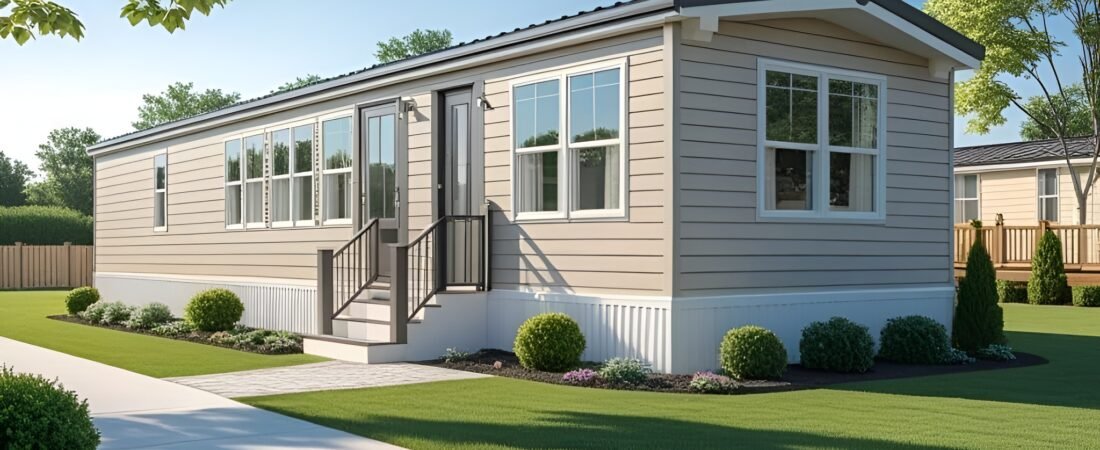
The right Mobile Home Skirting Ideas hides the open area, helps keep out animals and debris, and gives the exterior a cleaner, finished look. Mobile home skirting ideas can quickly improve your home’s curb appeal while protecting the space underneath. You don’t need a major renovation either—choosing the right material and style can make a noticeable difference on almost any budget.
The good news is that homeowners have plenty of choices today. Traditional vinyl remains popular because it is affordable and relatively easy to maintain, while faux stone, brick, metal, and wood-look products offer more distinctive styles. Your best option depends on your budget, climate, maintenance preferences, and the architectural style of your home. Let’s look at five ideas that can make a real difference.
What Is Mobile Home Skirting?
Mobile home skirting is the material installed around the lower perimeter of a manufactured or mobile home to cover the open area between the home and the ground. Besides improving curb appeal, it can help keep leaves, animals, and debris from getting underneath the structure. Properly installed skirting also works with the home’s ventilation system to help manage moisture and airflow beneath the floor.
Why Is Skirting Important for a Mobile Home?
Skirting is more than an exterior decoration. The space beneath a mobile home can be exposed to wind, rain, pests, and temperature changes, so leaving it completely open can create practical problems. Good skirting provides a protective barrier while giving the home a more grounded appearance. It can also conceal plumbing, support structures, and other components that would otherwise remain visible.
Top 5 Mobile Home Skirting Ideas
1. Vinyl Skirting
Vinyl skirting is one of the most common choices because it combines affordability, easy maintenance, and plenty of design options. Standard panels are available in neutral shades such as white, gray, beige, and brown, while textured versions can imitate materials such as stone or wood. Vinyl is especially useful for homeowners who want a clean exterior without spending a fortune. It can also be replaced in sections if one panel becomes damaged.
2. Faux Stone Skirting
Faux stone skirting is an excellent choice when you want your manufactured home to have a more substantial, permanent appearance. Modern panels can recreate the look of natural stone without the weight and installation complexity associated with real masonry. Gray, tan, charcoal, and mixed-stone patterns can complement many siding colors. This option works particularly well when the goal is to make the home look more like a traditional site-built house.
3. Brick-Look Skirting
Brick-look skirting brings a classic feel to the exterior and can work beautifully with traditional, cottage, farmhouse, or colonial-inspired homes. You can use lightweight panels that mimic real brick or choose a masonry solution when the structure and local requirements allow it. A warm red brick pattern creates a traditional appearance, while whitewashed or gray brick can give the home a more contemporary look. Matching the skirting with existing exterior accents can make the whole property feel more cohesive.
4. Metal Skirting
Metal skirting is worth considering if you prefer a modern or industrial appearance. Ribbed or corrugated panels can create strong horizontal or vertical lines around the base of the home, giving a simple exterior some visual character. Metal can also be durable when the correct product is selected and properly protected against corrosion. Dark gray, black, bronze, or galvanized finishes can pair especially well with modern siding and simple landscaping.
5. Wood-Look or Composite Skirting
Wood-look skirting provides warmth without necessarily requiring the maintenance associated with traditional wood. Composite panels and manufactured products can reproduce the appearance of timber while offering better resistance to moisture and insects. Vertical boards can create a farmhouse feel, while horizontal wood-look panels can give the home a contemporary appearance. This is a good choice when you want your skirting to feel like an intentional part of the home’s exterior design rather than an afterthought.
How Do You Choose the Best Skirting Material?
Choosing the right material starts with understanding how your home is used and what your local weather is like. A homeowner in a rainy climate may prioritize moisture resistance, while someone working with a tight renovation budget may focus on affordable vinyl. Appearance matters too, but durability and proper installation should come first. Think about how much maintenance you are willing to perform over the years rather than choosing a material based only on its appearance at the store.
Best Budget-Friendly Skirting Ideas
If you are working with a limited budget, vinyl is usually one of the easiest places to start. Simple panels can provide a significant visual improvement without requiring a complete exterior makeover. Another approach is to use standard skirting and improve the surrounding area with inexpensive landscaping, such as gravel borders, low-maintenance plants, or decorative edging. Sometimes the combination of basic skirting and thoughtful landscaping looks better than an expensive material installed without attention to the rest of the property.
Modern Mobile Home Skirting Ideas
Modern manufactured homes often look best with simple lines and understated colors. Dark metal, charcoal vinyl, smooth gray panels, and clean wood-look designs can create a contemporary appearance without overwhelming the exterior. You can reinforce the modern style by keeping the landscaping neat and using similar colors around the home’s doors, trim, steps, and porch. The goal is visual consistency rather than making the skirting the only noticeable feature.
Farmhouse-Style Skirting Ideas
For a farmhouse-inspired mobile home, wood-look skirting can be a natural fit. Vertical board patterns, muted neutral colors, and rustic textures can make the lower portion of the home feel warmer and more connected to the rest of the exterior. Faux stone can also work when paired with natural wood accents and simple landscaping. A small covered porch, wooden steps, and understated outdoor lighting can complete the look without making the design feel overly themed.
How to Make Mobile Home Skirting Look More Expensive
You do not always need premium materials to create an expensive-looking exterior. The secret is usually consistency and careful installation. Straight panel lines, clean corners, coordinated colors, and attractive landscaping can make even affordable skirting look polished. Hide exposed fasteners where appropriate, keep the bottom edge neat, and avoid mixing too many textures. A simple design that is installed carefully will usually look better than an expensive material installed poorly.
Should Skirting Match the Siding?
Skirting does not have to exactly match the siding, but the two should complement each other. Using a slightly darker shade around the bottom can create definition, while a similar color can make the exterior feel larger and more unified. Stone or brick-look skirting can provide contrast when the siding is relatively plain. Before making a final decision, consider the color of your roof, trim, doors, porch, and landscaping as well.
Skirting and Home Ventilation
One of the most important details people sometimes overlook is ventilation. The area underneath a mobile home needs appropriate airflow, and simply sealing every opening can create moisture-related problems. Vent panels or properly designed ventilation openings should be incorporated according to the home’s requirements and applicable local standards. If you are replacing existing skirting, it is worth checking that the new installation does not block required vents.
Add Access Panels for Maintenance
Your skirting should not make it impossible to reach plumbing, utilities, or other components underneath the home. An access panel or removable section can make future maintenance considerably easier. This small detail may not be noticeable from outside, but you will appreciate it when a repair is needed. Plan access points before installing the complete skirting system instead of cutting into finished panels later.
How Much Does Mobile Home Skirting Cost?
The cost can vary widely depending on the material, home size, labor, site conditions, and whether you install the skirting yourself. Basic vinyl is generally more budget-friendly than premium stone-look or masonry products, while custom materials can increase the total project price. Measuring the perimeter accurately and getting several material or installation estimates is the best way to create a realistic budget. Remember to account for vents, access panels, corners, trim, and installation supplies rather than calculating only the price of the main panels.
DIY or Professional Installation?
Some homeowners with basic tools and construction experience can install certain types of skirting themselves. Vinyl and lightweight panel systems are generally easier to handle than masonry products. However, the installation still needs to account for ground conditions, ventilation, access, alignment, and local requirements. If the project involves structural changes, difficult terrain, or materials you are not comfortable working with, professional installation can save time and prevent expensive mistakes.
Common Skirting Mistakes to Avoid
One common mistake is choosing a material based entirely on appearance without considering the local climate. Another is installing panels too tightly or failing to account for movement and uneven ground. Blocking ventilation is another serious issue because the space beneath the home needs appropriate airflow. Homeowners should also avoid burying or permanently sealing areas that need access for maintenance. Taking time to plan these details before installation can make the finished project much more reliable.
How Landscaping Can Improve Skirting
Skirting looks even better when it is integrated with the surrounding landscape. A narrow gravel strip, decorative border, low shrubs, or carefully placed planters can soften the transition between the panels and the ground. Avoid planting vegetation so close that it constantly traps moisture against the skirting. A simple landscape design can make basic skirting look far more intentional and can improve the home’s overall curb appeal.
Best Colors for Mobile Home Skirting
Neutral colors are usually the safest choice because they work with a wide range of siding styles. Charcoal, medium gray, beige, brown, white, and muted stone tones can all create attractive results. Dark colors tend to make the skirting visually recede, while lighter shades can create a brighter appearance. If your home already has several strong exterior colors, keeping the skirting neutral can prevent the design from becoming visually busy.
How to Maintain Mobile Home Skirting
Maintenance depends on the material you choose, but most systems benefit from occasional cleaning and inspection. Check for cracks, loose panels, damaged vents, pest entry points, and areas where the ground has shifted. Vinyl can generally be cleaned with mild soap and water, while metal may require additional attention to scratches or corrosion. Keeping plants, leaves, and standing water away from the base can also help extend the life of the installation.
Can Skirting Improve Curb Appeal?
Absolutely. The lower edge of a mobile home has a surprisingly large effect on how the entire property looks. Replacing damaged or outdated skirting can make the home appear cleaner and better maintained almost immediately. Adding coordinated landscaping and improving the porch or entry area can take the transformation even further. You do not have to change everything at once; upgrading the skirting can be a strong first step.
Conclusion
The best mobile home skirting ideas balance appearance, durability, maintenance, and practical performance. Vinyl is a sensible budget-friendly choice, faux stone adds a more substantial look, brick creates classic character, metal suits modern homes, and wood-look materials bring warmth to the exterior. Whichever direction you choose, pay close attention to ventilation, access, drainage, and proper installation.
A good skirting project should not simply hide the space beneath your home. It should make the entire property feel more finished and cared for. Start with your budget, consider the style of your existing exterior, and choose a material that can handle your local conditions. With the right combination, even a modest mobile home can have a noticeably more polished and inviting appearance.
FAQs About Mobile Home Skirting Ideas
What is the best skirting for a mobile home?
Vinyl is one of the most practical choices because it is affordable, lightweight, available in many designs, and relatively easy to maintain. However, faux stone, metal, brick-look, and composite options may be better when appearance or durability is the main priority.
What is the cheapest way to skirt a mobile home?
Basic vinyl skirting is usually among the more affordable options. Keeping the design simple and installing it correctly can reduce overall project costs while still producing a clean finished appearance.
Does mobile home skirting need ventilation?
Yes, the space beneath a manufactured home generally needs appropriate ventilation. The exact requirements depend on the home, climate, construction, and applicable local standards, so existing ventilation should not simply be covered.
Can I install mobile home skirting myself?
Some homeowners can install lightweight skirting as a DIY project if they have the necessary tools and experience. More complicated materials or challenging site conditions may be better handled by a professional.
Does skirting make a mobile home look better?
Yes. New, properly installed skirting can make a mobile home look more finished by hiding the open space beneath it and creating a cleaner transition between the home and the ground.
How do I protect mobile home skirting?
Regularly inspect the panels for cracks, loose sections, moisture problems, and pest entry points. Keep vegetation and standing water away from the base and repair damaged sections promptly.
What color skirting looks best?
Gray, charcoal, beige, brown, white, and stone-inspired shades are versatile choices. The best color depends on your siding, roof, trim, porch, and overall exterior design.
Read also: Polyurethane Foam Injection Uses, Cost & Benefits