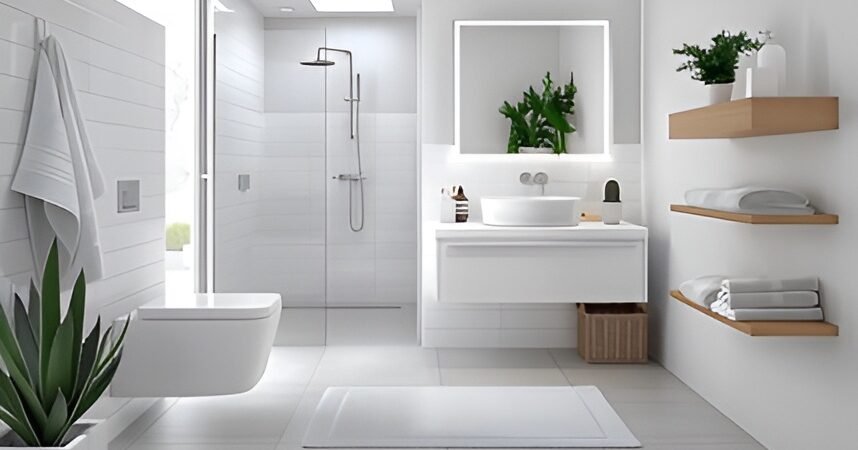
timeless bathroom design ideas using classic colors, durable materials, practical layouts, and stylish details that stay beautiful for years. A timeless bathroom design focuses on choices that remain attractive, practical, and comfortable long after the latest decorating trend has disappeared. Instead of filling the room with fashionable colors or complicated features, the goal is to create a balanced space using classic materials, simple shapes, quality fixtures, and a thoughtful layout. A timeless bathroom can still feel modern, but it does not depend on what happens to be popular this year.
What Is a Timeless Bathroom Design?
A timeless bathroom design is a style that can look appealing for many years without requiring a complete makeover. It usually combines neutral colors, classic tile designs, quality materials, practical storage, and understated fixtures. The beauty is in the balance. Nothing needs to be overly dramatic, yet the finished room can still feel elegant and personal. Think of a bathroom that would have looked attractive ten years ago and could still look just as good ten years from now.
Why Choose a Timeless Bathroom?
Bathroom renovations can be expensive and disruptive, so choosing elements with lasting appeal makes practical sense. A trendy bathroom may look impressive at first, but some styles can quickly feel dated when tastes change. A timeless space gives you more flexibility because you can refresh towels, artwork, mirrors, accessories, or lighting without replacing major fixtures. It is also easier to live with because classic design tends to prioritize comfort and function alongside appearance.
Start With a Neutral Color Palette
Color is one of the easiest ways to make a bathroom feel either lasting or dated. Soft white, warm beige, cream, taupe, light gray, and muted earthy shades are reliable choices because they create a calm background that works with different decorating styles. This does not mean a timeless bathroom has to be completely white. You can introduce deeper colors through cabinetry, textiles, wall accents, or accessories while keeping the permanent surfaces relatively neutral. That approach gives you room to change the mood later without starting the renovation again.
Choose Classic Bathroom Tiles
Tiles have a major influence on the overall character of a bathroom, and classic patterns tend to age better than highly specific trends. Subway tiles, simple square tiles, marble-inspired surfaces, terrazzo, natural stone, and understated geometric patterns can all work beautifully when selected carefully. The important thing is not simply choosing a tile that is considered classic, but choosing a size, finish, and color that suit the proportions of the room. A simple tile installed thoughtfully can look far more sophisticated than an expensive tile used without considering the rest of the space.
Use Natural Materials Where Possible
Natural materials can give a bathroom warmth and depth that manufactured finishes sometimes struggle to reproduce. Stone, wood, marble, limestone, and natural-looking ceramic or porcelain surfaces can create a connection with nature while keeping the room visually grounded. Real wood needs appropriate protection in a humid environment, so wood-look porcelain or other moisture-resistant alternatives can be useful when maintenance is a concern. The aim is to introduce texture and warmth without making the bathroom dependent on one particular decorating trend.
Invest in Quality Fixtures
A timeless bathroom is not necessarily the most expensive bathroom, but quality matters where it counts. Faucets, shower fittings, toilets, sinks, and cabinet hardware are used repeatedly, sometimes several times a day, so durability and reliability should be considered alongside appearance. Simple fixtures with clean lines are generally easier to live with because they can work with different styles over time. Instead of choosing a faucet simply because it is fashionable right now, consider its proportions, finish, usability, and how easily it could work with future updates.
Pick a Vanity With Lasting Appeal
The vanity often becomes one of the visual anchors of a bathroom. A straightforward cabinet in white, natural wood, soft gray, or another restrained finish can provide flexibility for years to come. Shaker-style doors, flat-front cabinetry, and other simple profiles can work particularly well because they do not overwhelm the room. Storage should also be considered carefully. Drawers and cabinets that keep everyday products organized can make a bathroom feel calmer, regardless of its decorative style.
Keep the Layout Practical
Good design starts with how a bathroom works, not just how it looks in photographs. A timeless bathroom should provide enough space to move comfortably, place everyday items within easy reach, and use the shower, bathtub, toilet, and vanity without awkward congestion. Where possible, keeping plumbing and major fixtures in sensible locations can also reduce unnecessary renovation costs. A beautiful bathroom that is difficult to use will eventually become frustrating, while a well-planned room can remain useful even as your household needs change.
Consider a Walk-In Shower
Walk-in showers have become popular partly because they combine a clean appearance with practical accessibility. A simple glass enclosure can make a smaller bathroom feel more open, while a larger shower can become a comfortable feature in a spacious room. To keep the design from feeling tied to a particular era, choose restrained hardware, classic tile, and a layout that emphasizes usability rather than decorative complexity. Built-in niches can also provide useful storage without adding visual clutter.
Add a Bathtub Carefully
A bathtub can become a lasting feature when its shape and placement suit the room. Freestanding tubs can create a strong focal point, while built-in tubs can be more practical where space is limited. The key is choosing a silhouette that complements the overall architecture rather than selecting an unusual shape simply because it is fashionable. If you enjoy long baths, a comfortable and well-positioned tub may have more lasting value to you than any decorative trend.
Choose Bathroom Hardware Thoughtfully
Small details can change the personality of a bathroom. Chrome has a long history in traditional and contemporary bathrooms, while brushed finishes can provide a softer appearance. Brass and other warm metallic finishes can add character, but the safest approach for a lasting design is to use them intentionally rather than covering every surface in the same fashionable finish. Consistency matters too. Faucets, cabinet handles, shower hardware, and other visible metal elements generally look more cohesive when their finishes complement one another.
Use Lighting to Create a Warm Atmosphere
Lighting is often overlooked during bathroom planning, even though it can completely change how the space feels. A combination of general lighting, task lighting around the mirror, and softer accent lighting can make the room more functional and inviting. Natural light is another valuable feature whenever the layout allows it. Rather than relying on one bright ceiling fixture, think about how different areas of the bathroom will be used throughout the day. Good lighting should make everyday tasks easier while giving the room a comfortable atmosphere.
Choose a Mirror With Simple Character
The bathroom mirror does more than provide a place to check your reflection. It can visually expand the room, reflect light, and help define the style. A simple rectangular mirror can feel architectural and understated, while a gently rounded or arched design can soften a room filled with straight lines. Framed mirrors can add warmth and personality, whereas frameless options can create a cleaner appearance. The best choice depends on the vanity, lighting, wall proportions, and overall character of the bathroom.
Add Personality Without Following Every Trend
A timeless bathroom should not feel boring. Personality can come through artwork, plants suited to the environment, towels, baskets, decorative objects, mirrors, or a carefully chosen accent color. These are easier and less expensive to replace than flooring, tile, or plumbing fixtures. This is where you can have fun with current trends without allowing them to control the entire design. If you love a fashionable color or pattern, consider using it in a smaller, changeable element rather than making it the permanent centerpiece of the room.
Avoid Overdesigning the Space
One common mistake in bathroom renovations is trying to include too many visual statements at once. A dramatic tile, bold vanity, unusual lighting fixture, patterned wall, statement mirror, and distinctive hardware may each look attractive individually, but together they can make the room feel busy. Timeless design usually benefits from restraint. Give interesting materials and features enough space to stand out. A bathroom does not need to show everything you like; sometimes the most elegant result comes from choosing a few elements and letting them work together.
Think About Maintenance Before Choosing Materials
A bathroom has to deal with moisture, soap, cosmetics, cleaning products, and everyday wear. That means maintenance should be part of the design conversation from the beginning. Highly textured surfaces may collect more dirt, certain finishes may show water spots more easily, and complicated grout patterns can require more cleaning. Durable porcelain, well-sealed natural stone, quality fixtures, and sensible storage can make everyday care easier. A truly successful bathroom is one that still looks good after months and years of normal use, not just on renovation day.
Create a Timeless Bathroom on a Budget
You do not need a luxury budget to create a lasting bathroom. If funds are limited, spend carefully on the elements that are difficult or expensive to replace, such as plumbing fixtures, waterproofing, flooring, and major tile work. More affordable accessories can provide personality without committing you to a particular look. A basic vanity can also be improved with attractive hardware, a well-chosen mirror, and good lighting. The overall effect comes from thoughtful decisions rather than the price tag attached to every item.
Small Bathroom Timeless Design Ideas
Small bathrooms can benefit particularly well from a restrained design approach. Light neutral colors can help the room feel open, while large-format tiles may reduce the number of visible grout lines and create a calmer appearance. Wall-mounted storage, a compact vanity, and a clear glass shower enclosure can also help preserve visual space. Instead of trying to make every surface interesting, use one or two carefully selected details to give the room character. A small bathroom often feels larger when the design is visually quiet and well organized.
Timeless Bathroom Design for a Modern Home
A timeless bathroom does not have to look traditional. In a modern home, you can combine classic materials with contemporary shapes to create a room that feels current without being overly trendy. For example, a simple stone-look floor, streamlined vanity, frameless shower glass, and understated fixtures can produce a clean modern appearance. Warm wood tones and soft lighting can prevent the space from feeling cold. The result is a bathroom that reflects modern architecture while retaining the qualities that make classic interiors last.
How to Make a Bathroom Feel More Expensive
Luxury is often more about proportion and detail than expensive decoration. Keeping grout lines neat, choosing coordinated finishes, using attractive lighting, and selecting a mirror that fits the vanity properly can make a noticeable difference. Good ventilation, uncluttered countertops, and organized storage also contribute to the feeling of quality. Even inexpensive materials can look polished when they are installed carefully and used within a coherent design. On the other hand, expensive products can look disconnected when too many competing styles are placed together.
Timeless Bathroom Design Mistakes to Avoid
Some design decisions can make a bathroom harder to update later. Extremely bold permanent colors, unusual tile patterns, excessive decorative details, poor-quality fixtures, inadequate storage, and layouts designed around appearance rather than function can all become problems. Another mistake is choosing everything from the same trend-driven collection, which can make the room look like a snapshot of one particular year. Instead, build the bathroom gradually around a few dependable foundations and use replaceable accessories to bring in personality.
How to Keep a Timeless Bathroom Feeling Fresh
A lasting bathroom does not have to remain exactly the same forever. Small updates can keep it feeling fresh without changing the expensive foundations. New towels, a different shower curtain where appropriate, updated artwork, replacement hardware, plants, baskets, or a new mirror can change the atmosphere surprisingly quickly. Even repainting a suitable wall can make a familiar bathroom feel different. This flexibility is one of the biggest advantages of choosing classic surfaces and fixtures in the first place.
Conclusion
The best timeless bathroom design is one that works for real life as well as photographs. It should be comfortable to use, easy enough to maintain, visually balanced, and flexible enough to evolve with your taste. Start with a practical layout, choose durable materials and classic colors, then add personality through details that can be changed over time. Trends will come and go, but a well-planned bathroom with good proportions, quality essentials, and a calm visual foundation can continue to feel right for many years.
Frequently Asked Questions
What makes a bathroom design timeless?
A timeless bathroom generally uses classic materials, neutral or restrained colors, practical layouts, quality fixtures, and simple forms. The design avoids relying too heavily on short-lived trends, making it easier to refresh with smaller changes later.
What colors are best for a timeless bathroom?
White, cream, beige, taupe, soft gray, and muted natural shades are commonly used because they provide a flexible background. Deeper colors can still work well when introduced through cabinetry, accessories, artwork, or selected accent areas.
Are white bathrooms still timeless?
Yes. White remains a versatile bathroom color because it can make a space feel clean, bright, and open. The key is adding texture, natural materials, lighting, or subtle contrast so the room does not feel flat.
What type of bathroom tile does not go out of style?
Simple subway tiles, understated square tiles, natural stone-inspired surfaces, terrazzo, and restrained geometric designs can have lasting appeal. Installation, color, grout choice, and room proportions are just as important as the tile style itself.
Is a freestanding bathtub timeless?
A freestanding bathtub can have lasting appeal when its shape and size suit the bathroom. Simple silhouettes tend to be easier to live with than highly unusual designs that depend on a particular trend.
How can I make a small bathroom look timeless?
Use a simple color palette, practical storage, good lighting, appropriately scaled fixtures, and uncomplicated tile patterns. Keeping surfaces visually consistent can make a compact room feel calmer and more spacious.
Can a timeless bathroom still look modern?
Absolutely. Timeless design is not limited to traditional interiors. Clean-lined vanities, contemporary lighting, glass shower enclosures, modern fixtures, and natural materials can create a current look while avoiding overly trend-specific details.