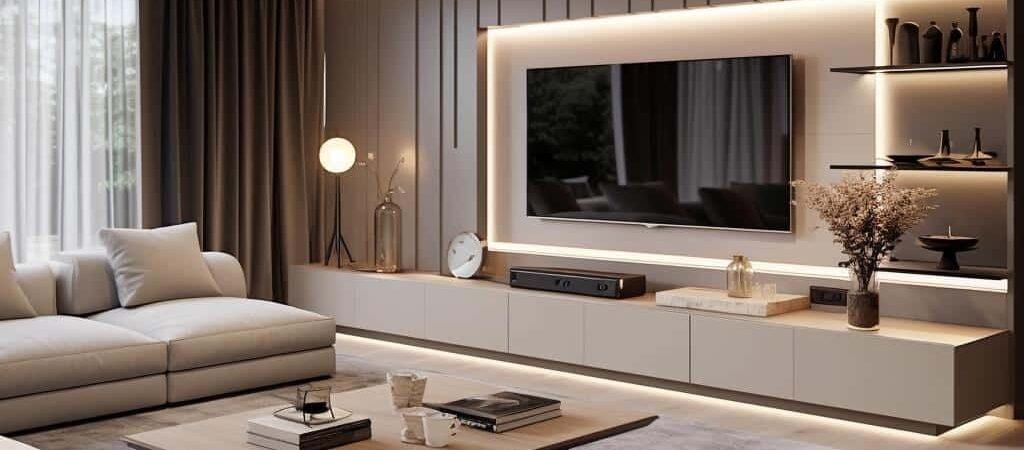
Living room decoration mipimprov refers to improving the appearance, comfort, and functionality of a living room through smart decorating choices that match your lifestyle and personal taste. Instead of focusing only on expensive renovations, this approach emphasizes practical improvements such as selecting better furniture layouts, choosing complementary color palettes, adding decorative accents, improving lighting, and creating a balanced design that feels welcoming every day.
Why Your Living Room Deserves Special Attention
The living room is usually the first interior space guests notice when entering your home, making it one of the most influential rooms in shaping first impressions. At the same time, it serves as the center of everyday family life, where people relax after work, enjoy movie nights, celebrate holidays, and spend quality time together. Investing time in decorating this space improves both visual appeal and everyday comfort while increasing your home’s overall value.
Start With a Clear Decorating Vision
Before buying furniture or decorative accessories, spend time deciding how you want your living room to feel. Some homeowners prefer a clean modern aesthetic with simple lines, while others enjoy rustic charm, Scandinavian simplicity, farmhouse warmth, or luxurious contemporary interiors. Having a clear vision helps every decorating decision work together instead of creating a room filled with mismatched styles.
Choose Colors That Create the Right Mood
Color plays one of the biggest roles in successful living room decoration mipimprov because it influences both the appearance and emotional atmosphere of the room. Soft neutral shades like white, beige, cream, warm gray, and light taupe create timeless elegance, while deeper greens, navy blues, charcoal, and earthy terracotta colors introduce personality without overwhelming the space. Carefully chosen accent colors can make the room feel lively while maintaining harmony.
Select Comfortable and Functional Furniture
Furniture should look attractive while supporting your daily routine. A comfortable sofa, supportive chairs, practical coffee table, and well-sized storage pieces create a living room that works beautifully for both entertaining and relaxing. Rather than filling every corner with furniture, leave enough open space for easy movement and a cleaner visual appearance that makes the room feel larger.
Arrange Furniture Around Conversation
One of the most common decorating mistakes is placing every piece of furniture against the walls. Instead, arrange seating so family members and guests naturally face each other, encouraging conversation and interaction. A thoughtful furniture layout creates balance while making the room feel more inviting and comfortable regardless of its size.
Use Lighting to Transform the Space
Lighting is often overlooked, yet it has one of the greatest impacts on interior design. Combining ceiling lights, floor lamps, table lamps, and natural daylight creates multiple layers of illumination that allow the room to adapt throughout the day. Warm lighting produces a relaxing atmosphere during the evening while brighter lighting improves functionality for reading, working, or entertaining.
Add Texture for Visual Interest
A beautifully decorated living room rarely depends only on color. Texture introduces warmth and depth through materials such as woven baskets, linen curtains, velvet cushions, knitted throws, natural wood furniture, stone accents, and soft area rugs. Mixing textures makes even simple rooms appear professionally designed without making them feel crowded.
Make a Statement With Wall Art
Large empty walls can make a living room feel unfinished, while carefully selected artwork gives the room personality and character. Oversized paintings, framed photography, abstract prints, or gallery walls reflecting family memories all help personalize the space while complementing the overall decorating style rather than competing with it.
Incorporate Indoor Plants Naturally
Plants instantly make interiors feel fresher and more welcoming by introducing natural color and organic shapes. Popular indoor plants such as snake plants, pothos, peace lilies, rubber plants, and fiddle leaf figs improve visual appeal while requiring relatively simple care. Even a few well-placed plants can soften modern interiors and create a relaxing environment.
Create Balance With Decorative Accessories
Decorative accessories should enhance the room instead of overwhelming it. Candles, ceramic vases, decorative trays, books, sculptures, and small personal collections add charm when arranged thoughtfully. Keeping accessories balanced rather than excessive allows each piece to contribute to the overall design while maintaining a clean and organized appearance.
Upgrade Your Window Treatments
Curtains and blinds frame your windows while influencing how much natural light enters the room. Floor-length curtains create a sense of height and elegance, while light fabrics maintain brightness throughout the day. Choosing window treatments that coordinate with your color palette helps tie the entire room together effortlessly.
Use Rugs to Define the Living Area
A properly sized area rug anchors furniture while visually connecting every major element within the room. Rugs also provide warmth, reduce noise, and introduce additional texture and color. Selecting the correct dimensions ensures that furniture feels connected rather than floating separately throughout the room.
Maximize Small Living Rooms
Small living rooms benefit greatly from thoughtful decorating decisions that prioritize both function and openness. Multi-purpose furniture, floating shelves, mirrors, lighter color schemes, and limited decorative clutter create the illusion of more space while maintaining comfort and style for everyday living.
Decorate Large Living Rooms With Purpose
Large living rooms can sometimes feel empty despite having expensive furniture. Dividing the room into functional zones, such as conversation areas, reading corners, entertainment sections, or workspaces, creates better organization while making the room feel warm and intentionally designed.
Keep Storage Stylish
Effective storage prevents clutter from reducing the beauty of your living room. Storage ottomans, built-in shelves, decorative baskets, media cabinets, and multifunctional furniture hide everyday items while maintaining an organized appearance. Practical storage solutions allow decorative features to stand out instead of competing with unnecessary mess.
Introduce Seasonal Decorative Changes
Refreshing your living room throughout the year keeps it feeling current without requiring major redecorating projects. Swapping pillows, throws, flowers, candles, artwork, or decorative accents according to the season provides a fresh appearance while allowing your home to evolve naturally over time.
Mix Modern and Traditional Elements
Many of today’s most attractive interiors successfully combine modern furniture with classic decorative pieces. A sleek sofa paired with vintage wooden tables, traditional artwork alongside minimalist lighting, or antique accessories within contemporary spaces creates character and depth that purely matching furniture collections often cannot achieve.
Personalize Every Corner
The most memorable living rooms reflect the personalities of the people who live there. Family photographs, travel souvenirs, handmade artwork, inherited furniture, favorite books, or meaningful decorative objects create emotional connections that transform a beautiful room into a truly welcoming home.
Avoid Common Decorating Mistakes
Successful living room decoration mipimprov also means recognizing what to avoid, including overcrowding the room with furniture, choosing rugs that are too small, hanging artwork too high, relying on only one light source, ignoring storage needs, or following trends that do not match your lifestyle. Thoughtful planning almost always produces better long-term results than decorating impulsively.
Decorating on a Budget
Creating a stylish living room does not always require expensive purchases because repainting walls, updating cushion covers, rearranging furniture, adding second-hand vintage pieces, introducing indoor plants, replacing outdated lighting, and refreshing accessories can dramatically improve the room while staying within a reasonable budget.
Future Living Room Design Trends
Current interior design trends continue moving toward comfortable, sustainable, and highly personalized living spaces where natural materials, calming colors, energy-efficient lighting, multifunctional furniture, handcrafted décor, and eco-friendly choices create homes that feel both beautiful and practical for modern lifestyles.
Conclusion
Living room decoration mipimprov is ultimately about creating a space that supports your daily life while expressing your personal style in a comfortable and meaningful way. By combining thoughtful planning, balanced colors, functional furniture, layered lighting, natural textures, personal décor, and smart organization, you can transform almost any living room into a welcoming environment that feels timeless, relaxing, and uniquely yours. The most successful living rooms are not necessarily the most expensive—they are the ones designed with purpose, comfort, and the people who use them every day in mind.
Frequently Asked Questions
1. What does living room decoration mipimprov mean?
It refers to improving a living room through practical decorating ideas that enhance comfort, appearance, and functionality without necessarily requiring major renovations.
2. How can I decorate my living room on a small budget?
Focus on painting walls, rearranging furniture, adding new cushions, introducing plants, updating lighting, and using affordable decorative accessories.
3. Which colors work best for living rooms?
Neutral shades like white, beige, gray, and cream remain timeless, while green, navy, terracotta, and earthy tones add warmth and personality.
4. How do I make a small living room appear larger?
Use lighter colors, mirrors, multifunctional furniture, floating shelves, and avoid excessive clutter to create a more open appearance.
5. What are the biggest decorating mistakes?
Common mistakes include overcrowding furniture, poor lighting, tiny rugs, excessive decorations, and choosing styles that do not fit your lifestyle.
Read also: Tips Decoradyard Transform Your Garden with Simple Design Ideas