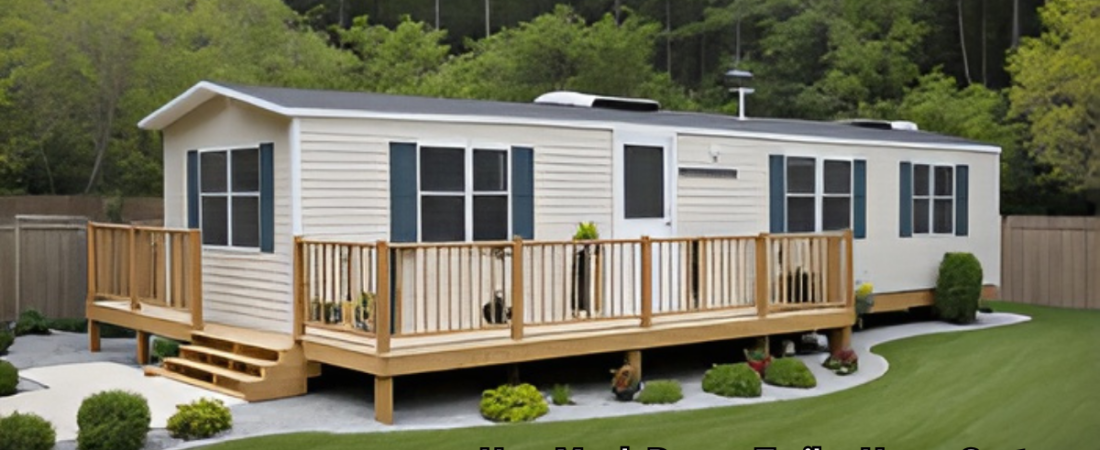
How much does a trailer home cost? For many buyers, the short answer is somewhere between $60,000 and $250,000 or more, depending on the home’s size, age, condition, features, and location. A new single-wide may cost around $60,000 to $90,000, while a double-wide commonly falls around $120,000 to $160,000, and larger triple-wide homes can reach $200,000 to $250,000 or more. The important thing, though, is that the advertised price is not always the final amount you will spend. Land, transportation, foundation work, utility connections, permits, site preparation, and other expenses can significantly change the total. If you’re considering a trailer home because you want a more affordable path to homeownership, understanding the complete cost is far more useful than looking at the sticker price alone.
What Is a Trailer Home?
The term trailer home is commonly used to describe what is now generally called a manufactured home or mobile home. Modern manufactured homes are built in factories and constructed according to federal HUD standards before being transported to a residential site. The U.S. Census Bureau’s Manufactured Housing Survey specifically tracks new manufactured homes that have received federal inspection under the HUD Code. While older mobile homes and newer manufactured homes can look similar from the outside, construction standards, age, financing options, and legal classifications can differ considerably. That distinction matters when you’re comparing homes, arranging financing, checking insurance, or deciding whether a particular property is a good long-term investment.
How Much Does a Trailer Home Cost on Average?
A reasonable 2026 planning range is $60,000 to $90,000 for a single-wide, $120,000 to $160,000 for a double-wide, and roughly $200,000 to $250,000 or more for a triple-wide. These figures are useful starting points rather than universal prices because the actual amount varies by manufacturer, region, floor plan, finishes, transportation distance, and installation requirements. Current cost estimates place those ranges around the delivered home price, while land, foundations, and utility installation can still be separate expenses. The U.S. Census Bureau also publishes official average manufactured-home sales prices by region, state, and home size, making it a useful source when researching local pricing.
Single-Wide Trailer Home Cost
A single-wide trailer home is usually the least expensive new manufactured-home option. Current estimates commonly place a delivered single-wide in the $60,000 to $90,000 range, although smaller homes, basic models, used units, and special promotions can fall below that range while larger or highly upgraded models can cost more. Single-wides are often around 14 to 18 feet wide and may provide roughly 500 to 1,500 square feet, depending on the floor plan. They’re popular with buyers who want to keep the initial purchase price lower, but the trade-off is usually less interior space and fewer layout options compared with a double-wide.
Double-Wide Trailer Home Cost
A double-wide gives you substantially more living space and tends to feel more like a conventional house. A typical delivered double-wide currently costs about $120,000 to $160,000, although custom finishes, larger floor plans, premium appliances, porches, garages, and other upgrades can push the final figure higher. Double-wides commonly measure around 20 to 36 feet wide and can range from approximately 1,500 to 2,500 square feet. For families, this size can offer a better balance between affordability and usable space, especially when the buyer already owns suitable land.
Triple-Wide Trailer Home Cost
If you want something considerably larger, a triple-wide manufactured home can cost approximately $200,000 to $250,000 or more. These homes can provide thousands of square feet of living space and may include layouts that resemble larger site-built houses, with multiple bedrooms, spacious kitchens, separate living areas, and larger primary suites. The downside is that a bigger home generally requires more land, more extensive site preparation, and potentially more complicated transportation and installation. In other words, choosing a triple-wide isn’t simply a matter of paying more for the house; the entire property project can become more expensive.
How Much Does a Used Trailer Home Cost?
Used trailer homes can be dramatically cheaper than new manufactured homes, but there is no single national price that applies to every used unit. Age, condition, location, ownership status, improvements, foundation type, and whether the home is already installed on land can all affect its value. A decades-old single-wide may appear extremely affordable at first glance, but buyers should inspect the roof, plumbing, electrical system, HVAC equipment, flooring, windows, foundation or support system, and overall structural condition before making an offer. The U.S. Census Bureau’s Manufactured Housing Survey does not provide resale or repossession data, so buyers researching used homes will need to rely on local listings, dealers, appraisals, and comparable sales.
Does the Price Include Land?
Usually, no. This is one of the biggest details buyers overlook when researching trailer home prices. A manufactured home may be sold separately from the land, meaning you could pay $100,000 for the home and still need to purchase a suitable lot. Land prices vary enormously depending on the state, city, neighborhood, zoning rules, road access, utilities, and demand. Someone buying rural property may spend considerably less on land than someone trying to place a manufactured home near a major metropolitan area. Before buying the home, confirm that your intended property legally permits manufactured housing and that the site can physically accommodate the home.
How Much Does It Cost to Prepare Land?
Land preparation can add thousands of dollars to the project, and difficult sites can cost much more. The exact price depends on whether the property is already level, whether trees or old structures need to be removed, how much grading is required, and whether contractors need to improve drainage or create an access route for delivery trucks. A flat, developed lot with existing services can be relatively straightforward, while a remote or uneven parcel may require substantial work before the home can be installed. This is why looking at the home price alone can give a misleading picture of affordability.
Trailer Home Delivery and Setup Costs
Getting the home from the manufacturer or dealer to your property is another expense to investigate early. Current estimates put mobile-home transportation and assembly at roughly $2,000 to $14,000, depending on factors such as distance, home size, route difficulty, and installation requirements. Some advertised prices may include certain delivery or setup services, while others may not. This is where reading the purchase agreement carefully becomes important. Ask exactly what the quoted price covers, including transportation, blocking, anchoring, leveling, connection of sections, stairs, skirting, and final setup.
Foundation Costs for a Trailer Home
Your home also needs an appropriate foundation or support system that meets local requirements. The cost can vary widely because the site, soil, climate, home design, local codes, and foundation type all matter. A basic installation on a prepared site may cost less than a permanent foundation designed for a particular property or financing requirement. If you’re planning to finance the property or eventually sell it, it’s especially important to understand how the home will be classified and what foundation standards apply. Never assume that the cheapest installation option will be the best choice for your long-term plans.
Utility Connection Costs
Electricity, water, sewer, gas, and other services can become a significant part of the budget. If you’re placing the home on a developed lot with existing connections, the expense may be manageable. A rural property can be very different. You may need a private well, septic system, electrical service extension, propane or gas installation, or a longer connection from the nearest utility line. These costs can vary from one property to another, so getting estimates based on the actual lot is much smarter than relying on a national average.
How Much Does a Trailer Home Cost With Land?
When you combine the home with land and installation, the total can move far beyond the home’s advertised price. For example, imagine purchasing a $75,000 single-wide and placing it on land you already own. You could still have expenses for site preparation, foundation or support work, transportation, utility connections, permits, steps, skirting, and landscaping. If you also need to purchase the land, the overall project could easily become a six-figure investment. The key lesson is simple: calculate the complete property cost, not just the manufactured-home price.
What Makes Trailer Homes More Expensive?
Several factors can push the price upward. Larger floor plans naturally cost more, but the biggest differences often come from customization and site requirements. Upgraded kitchens, better flooring, premium cabinets, energy-efficient windows, upgraded appliances, larger bathrooms, porches, decks, fireplaces, smart-home features, and exterior improvements can all increase the final price. Location matters, too. Transportation costs and local labor rates can make the same model significantly more expensive in one area than another.
What Makes a Trailer Home Cheaper?
The easiest way to reduce the purchase price is usually to choose a smaller or simpler floor plan and avoid unnecessary upgrades. Buying a used home can also lower the initial cost, although you need to balance the savings against possible repair expenses. Another major opportunity comes from the land itself. A developed lot with road access and existing utility connections can eliminate some of the expensive work associated with preparing raw land. If you already own a suitable property, manufactured housing can become much more affordable because you’re not combining the home purchase with a separate land purchase.
Trailer Home vs. Traditional House Cost
One reason people consider manufactured homes is the potential difference in upfront cost compared with conventional site-built housing. Factory construction can make manufactured housing a more affordable route to owning a home, particularly for buyers who are flexible about location and floor plan. However, the comparison needs to be fair. A manufactured home price may exclude land and certain site expenses, while a traditional home listing may include the value of the land. The U.S. Census Bureau publishes data comparing new manufactured homes with new single-family site-built homes, which can help buyers understand the broader cost difference.
Are Trailer Homes a Good Investment?
Whether a trailer home is a good investment depends heavily on how you purchase and own it. A manufactured home placed on leased land in a community is financially different from a manufactured home permanently installed on land you own. Location, condition, maintenance, financing, insurance, land ownership, and local demand all influence the long-term financial picture. Buyers should also remember that a low purchase price does not automatically mean a high return on investment. If you’re primarily looking for an affordable place to live, focus first on total housing costs, monthly expenses, condition, and location rather than assuming appreciation will be the same as with every traditional house.
Can You Finance a Trailer Home?
Financing is available for many manufactured homes, but the options depend on the home, land, foundation, ownership structure, lender, and whether the property qualifies as real estate under applicable rules. A manufactured home permanently attached to land you own may qualify for different financing than a home located in a manufactured-home community where you rent the lot. Interest rates, loan terms, down-payment requirements, insurance, and credit standards also vary between lenders. Before choosing a home, it can be helpful to speak with lenders familiar with manufactured housing because not every mortgage provider treats these properties the same way.
What Should You Ask a Trailer Home Dealer?
Before signing anything, ask the dealer for a complete written breakdown of the price. Find out whether the quote includes delivery, installation, leveling, anchoring, utility connections, permits, steps, skirting, appliances, and taxes. Also ask which items are optional and which are required by local regulations. The Census Bureau notes that its manufactured-home average sales prices include dealer-reported setup costs, but some additional costs needed to prepare a unit for occupancy may not be included. That distinction is important because two homes advertised at similar prices may have very different final costs.
Hidden Costs Buyers Often Forget
The hidden costs are often what turn an attractive trailer-home deal into an expensive project. Buyers may overlook permits, land surveys, driveway improvements, drainage, utility trenching, septic systems, wells, foundation work, delivery obstacles, insurance, property taxes, community fees, decks, stairs, skirting, landscaping, and repairs. None of these expenses necessarily makes a manufactured home a bad choice, but they should be included in your budget from the beginning. A good rule is to create a complete project estimate before putting down a deposit rather than trying to calculate these costs after the purchase.
Is a Trailer Home Right for You?
A trailer or manufactured home can make sense if your priority is getting more living space for your money while keeping the purchase process and construction approach different from a traditional site-built house. It can be particularly appealing when you already own suitable land or can find an affordable lot with utilities nearby. On the other hand, buyers who need a specific location, want extensive customization, or are purchasing in an area with strict manufactured-home zoning may find the process more complicated. The right choice depends less on the cheapest advertised home and more on whether the entire project fits your budget and lifestyle.
How to Budget for a Trailer Home
Start with the home price, then build outward from there. Add transportation, site preparation, foundation or support work, utility connections, permits, insurance, taxes, and any improvements you want immediately after installation. If you’re buying land, include the land purchase and closing costs as well. It’s also sensible to keep an emergency reserve for unexpected site or installation expenses because construction projects rarely go perfectly. A realistic budget gives you a much clearer picture of what you can actually afford than a monthly payment estimate based only on the home’s sticker price.
Conclusion
So, how much does a trailer home cost? In 2026, a new single-wide can commonly start around $60,000 to $90,000, a double-wide around $120,000 to $160,000, and larger triple-wide homes can reach $200,000 to $250,000 or more. But those numbers are only the starting point. Land, delivery, site preparation, foundations, utilities, permits, and improvements can substantially increase your total investment. The smartest approach is to price the entire project before choosing a model. Once you know the true all-in cost, you can compare manufactured homes with other housing options and decide whether one genuinely makes financial sense for you.
FAQs About Trailer Home Costs
How much does a trailer home cost?
A new trailer or manufactured home can cost roughly $60,000 to $250,000 or more, depending on size and features. Single-wides generally fall toward the lower end, while double-wides and triple-wides cost more. Land and site expenses are usually additional.
What is the cheapest type of trailer home?
A basic single-wide manufactured home is generally one of the least expensive new options. Smaller floor plans with standard finishes can help keep the purchase price down, although transportation, installation, land, and utilities still need to be included in your overall budget.
Does a trailer home include the land?
Usually, the advertised home price does not include land. You may either purchase a suitable property separately or place the home in a manufactured-home community where you typically pay for the use of a lot.
How much does a double-wide trailer home cost?
A new double-wide commonly costs around $120,000 to $160,000, including delivery in current industry estimates. Custom features and property-related expenses can increase the final amount.
Is it cheaper to buy a trailer home than a house?
It can be, especially when comparing the cost of the home itself. However, the comparison should include land, installation, utilities, taxes, insurance, financing, and maintenance. A low advertised price doesn’t necessarily mean the lowest total housing cost.
How much does it cost to move a trailer home?
Current estimates put transportation and assembly at approximately $2,000 to $14,000, although the actual amount depends on distance, home size, route, and installation requirements.
Can you put a trailer home on your own land?
Often, yes, but local zoning and building regulations determine whether you can legally place a manufactured home on a particular property. Before purchasing land or a home, check local rules and confirm that the property is suitable for the intended home.
Read also: Sherwin Williams Softened Green Best Rooms & Pairings