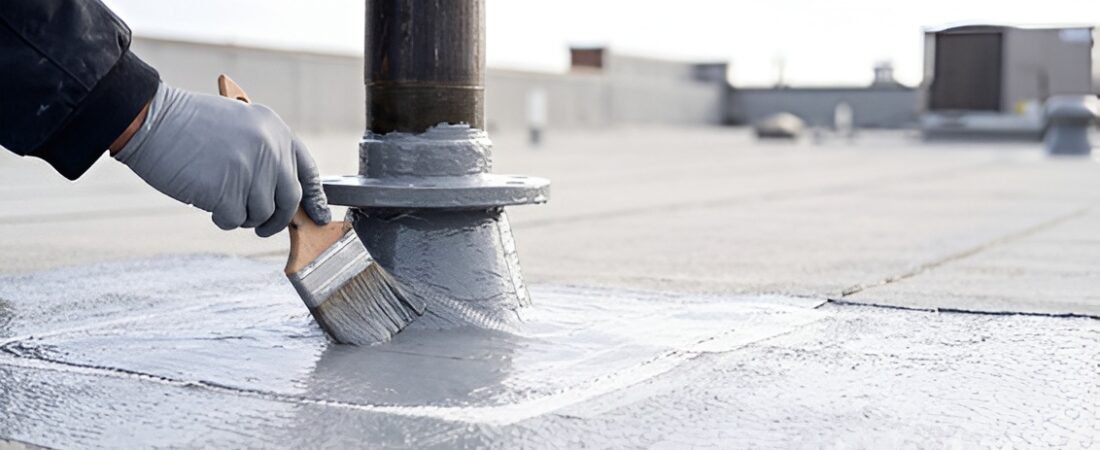
the importance of waterproofing during residential construction, including its benefits, methods, costs, and tips for protecting your home. A home is one of the biggest investments a person can make. From laying the foundation to choosing the final paint color, every construction decision affects the building’s comfort, strength, and long-term value. However, one important step is often overlooked until a problem appears: waterproofing. The importance of waterproofing during residential construction goes far beyond preventing water leaks. It helps protect the foundation, walls, roof, bathrooms, and other vulnerable areas from moisture damage. Without proper waterproofing, even a newly built house can develop damp patches, peeling paint, mold growth, and structural problems. Planning waterproofing during construction is usually more practical than repairing water damage after the family has moved in.
What Is Waterproofing in Residential Construction?
Waterproofing is the process of applying protective materials or installing suitable systems to prevent unwanted water from entering a building. Depending on the location, this may involve waterproof membranes, liquid coatings, cementitious products, drainage systems, or damp-proof barriers. Each method serves a specific purpose, and the right choice depends on the surface, local weather, soil conditions, and expected water exposure. For example, a roof exposed to heavy rain needs a different solution from a bathroom floor or a foundation surrounded by damp soil. Proper waterproofing creates a protective barrier that helps keep the home dry and reduces the risk of moisture-related damage over time.
Importance of Waterproofing During Residential Construction
The importance of waterproofing during residential construction becomes clear when you consider how many parts of a home are exposed to water. Rain can collect on roofs, groundwater can affect foundations, and everyday activities can expose kitchens and bathrooms to moisture. If these areas are not protected properly, water may gradually enter building materials and create expensive problems. Installing suitable waterproofing systems at the correct stage helps protect the structure, maintain indoor comfort, and reduce future maintenance costs. It also allows builders to inspect and test concealed areas before tiles, plaster, flooring, or other finishes cover them.
1. Protects the Foundation From Water Damage
The foundation carries the weight of the entire house, so keeping it protected from moisture is essential. Water in the surrounding soil can move through porous concrete or enter through cracks and poorly sealed construction joints. Over time, persistent moisture may contribute to concrete deterioration, corrosion of embedded steel reinforcement, and dampness inside lower-level rooms. Appropriate foundation waterproofing, combined with suitable drainage and damp-proofing measures, helps reduce these risks. The exact system should be selected according to soil conditions, groundwater levels, and the building design rather than relying on a coating alone.
2. Prevents Damp Walls and Peeling Paint
Damp walls are among the most noticeable signs of moisture problems in residential buildings. You might first see a small discolored patch near the floor, bubbling paint, loose plaster, or a white powdery deposit on the surface. These signs can occur when moisture moves through masonry or concrete, enters from outside, or rises from the ground through inadequately protected walls. Waterproofing vulnerable surfaces during construction helps prevent many of these problems when the correct source of moisture is identified. It can also reduce the need to repaint rooms repeatedly or replace damaged plaster after the house is occupied.
3. Reduces the Risk of Mold and Mildew
A damp home can create favorable conditions for mold and mildew, particularly in bathrooms, kitchens, basements, and poorly ventilated corners. These growths may produce unpleasant odors, stain surfaces, and aggravate allergies or asthma symptoms in some people. Waterproofing helps limit moisture entering through building surfaces, while good ventilation and prompt plumbing repairs address other important sources of indoor dampness. A waterproof membrane cannot solve every humidity problem, but it is an important part of a broader moisture-control plan. Keeping the building dry from the beginning can make indoor spaces healthier and easier to maintain.
4. Extends the Life of Building Materials
Concrete, brickwork, plaster, timber, insulation, and metal components can all be affected by prolonged exposure to moisture. Water may weaken finishes, damage wooden elements, encourage corrosion, or reduce the performance of materials that are designed to remain dry. The extent of the damage depends on the material, the amount of moisture, and how long the exposure continues. Proper waterproofing helps protect vulnerable components and supports the long-term durability of the building. This is especially important in areas that are difficult to access once construction is complete, such as foundations, concealed balconies, and spaces beneath tiled floors.
5. Prevents Roof Leaks and Ceiling Damage
The roof is one of the first parts of a house to face rain, standing water, and changing temperatures. If water enters through cracks, weak joints, or poorly sealed outlets, it can travel beneath the surface and eventually appear as ceiling stains, damp patches, or damaged electrical fittings. Roof waterproofing helps protect the roof slab and the rooms beneath it, especially in flat-roof homes. The system should include properly sealed joints, suitable drainage slopes, and reliable outlets so that rainwater does not remain standing on the roof. Regular inspection also helps identify small defects before they turn into major leaks.
6. Keeps Bathrooms and Kitchens Dry
Bathrooms and kitchens experience frequent contact with water, making them important areas for careful waterproofing. In bathrooms, water can seep through grout lines, corners, pipe penetrations, and floor joints if the underlying waterproofing system is missing or defective. Kitchens may experience leaks around sinks, plumbing connections, and washing areas. Applying an appropriate waterproof membrane beneath tiles, sealing vulnerable junctions, and checking plumbing before finishes are installed can reduce the risk of hidden moisture damage. Tiles and grout alone should not be treated as a complete waterproofing system because water can still pass through joints and small defects.
7. Helps Preserve Indoor Air Quality
Indoor air quality is influenced by ventilation, humidity, outdoor pollution, and the condition of building materials. When moisture repeatedly enters walls or floors, it can support mold growth and create persistent musty odors. Waterproofing reduces the amount of water entering vulnerable parts of a home, helping control one common cause of indoor dampness. However, homeowners should also ensure that bathrooms and kitchens have adequate ventilation and that leaks are repaired promptly. A dry building envelope, functioning exhaust fans, and sensible humidity control work together to create a more comfortable living environment.
8. Reduces Long-Term Repair and Maintenance Costs
Waterproofing may appear to be an additional construction expense, particularly when the budget is already stretched by cement, steel, labor, and finishing materials. Yet repairing water damage after construction can involve removing tiles, breaking plaster, repairing concrete, replacing damaged ceilings, and repainting entire rooms. These repairs can cost much more than protecting the vulnerable areas during the original building work. The savings are not guaranteed in every case, because costs depend on the building and the waterproofing system, but prevention is often more economical when planned correctly. A realistic construction budget should account for waterproofing as part of essential building protection rather than an optional finishing upgrade.
9. Protects Property Value
A home with recurring dampness, roof leaks, or visible water stains can be harder to sell and may raise concerns during a property inspection. Buyers generally want a building that has been maintained properly and does not require immediate repairs. Good waterproofing can help preserve the condition of walls, ceilings, floors, and other structural components, supporting the property’s overall appeal. Construction records, product information, and waterproofing test results can also help demonstrate that important protective work was completed. Although waterproofing alone cannot determine a home’s market value, it contributes to the overall condition and reliability of the property.
10. Improves Comfort During Rainy and Humid Weather
A home should provide shelter from the weather, not become another source of worry whenever it rains. Water entering through the roof or walls can cause damp smells, uncomfortable rooms, and repeated cleaning. In humid climates, moisture problems may become particularly noticeable when ventilation is poor or surfaces remain wet for long periods. Well-planned waterproofing helps reduce water intrusion and makes it easier to maintain clean, comfortable indoor spaces. Combining it with proper drainage, roof maintenance, and ventilation is especially valuable in regions that experience seasonal rainfall or prolonged humid conditions.
Key Areas That Need Waterproofing During Home Construction
Not every part of a house requires the same waterproofing product. The most effective approach is to identify areas where water is likely to collect, penetrate, or remain trapped and then select a suitable protective system for each location.
1. Foundation and Basement
Foundation walls and basement structures can remain in contact with moist soil for long periods. Depending on site conditions, they may need an external waterproof membrane, sealed construction joints, a damp-proof barrier, and a drainage system. Where groundwater pressure is significant, the design may require a more comprehensive system. These measures should be planned before backfilling, because accessing the outside of a buried foundation later can be difficult and expensive.
2. Roof and Terrace
Flat roofs and terraces need protection against rainwater, particularly where water can collect around drains, parapet walls, and service penetrations. A suitable membrane or liquid-applied waterproofing system should be installed over a properly prepared surface. Roof slopes and drainage outlets must also be designed to move water away efficiently. A high-quality coating will not compensate for poor drainage, loose surface material, or badly detailed joints.
3. Bathrooms and Toilets
Bathroom waterproofing is most effective when completed before tiles are installed. The floor, designated wet areas, wall-floor junctions, and pipe penetrations should receive a compatible waterproofing system according to the design and product instructions. Special attention is needed around shower areas and floor drains, where water exposure is frequent. The finished installation should be tested using an appropriate water-retention or flood test where the system and local requirements call for it.
4. Balconies and External Walls
Balconies are exposed to rain, temperature changes, and sometimes standing water. Waterproofing should be coordinated with the balcony slope, drainage outlets, door thresholds, and wall connections. External walls may also need suitable weather-resistant finishes and correctly sealed joints around windows and doors. These details are important because water can enter through small openings even when the main wall surface appears sound.
5. Water Tanks and Plumbing Areas
Underground and overhead water tanks require systems designed for their intended water exposure and, where relevant, potable-water contact. Plumbing shafts, pipe connections, laundry areas, and locations beneath water heaters should also be considered during construction. Suitable sealing around penetrations and accessible plumbing connections can help prevent hidden leaks. Products used inside drinking-water tanks must be specifically approved for that purpose rather than selected solely because they are waterproof.
Common Waterproofing Methods Used in Residential Construction
The choice of waterproofing method depends on the building component, surface condition, water pressure, and expected movement. A contractor or building professional should confirm that the selected system is appropriate for the actual site conditions.
Cementitious Waterproofing
Cementitious waterproofing uses cement-based materials that are mixed and applied to suitable surfaces. It is commonly used in bathrooms, water-related utility areas, and some concrete structures. Application is generally straightforward when the surface has been prepared correctly and the product is used according to its instructions. However, the system’s suitability depends on the product formulation, exposure conditions, and the amount of movement expected in the structure.
Liquid-Applied Waterproofing Membranes
Liquid waterproofing products are applied as a coating that cures into a continuous protective layer. They can be useful for roofs, balconies, bathrooms, and other compatible surfaces. Their performance depends on achieving the required thickness, covering every specified area, and treating corners and penetrations properly. Applying a product too thinly or leaving gaps can reduce its effectiveness, even if the visible surface initially looks complete.
Sheet Membrane Waterproofing
Sheet membranes provide a manufactured waterproof layer that is installed over a prepared surface. Depending on the product, they may be used on foundations, roofs, terraces, or other areas that require a continuous barrier. Seams, overlaps, corners, and penetrations need careful detailing because defects at these points can allow water to pass through. The membrane must also be compatible with the substrate and the intended installation conditions.
Bituminous Waterproofing
Bituminous systems are commonly used for certain foundation, roof, and below-ground applications. They may be supplied as coatings or membranes, with the specific product selected according to the design requirements. Surface preparation, joint treatment, protection during backfilling, and compatibility with adjoining materials are all important. Not every bituminous product is suitable for every surface or for direct exposure to sunlight, so product specifications should guide the choice.
Damp-Proof Courses and Drainage Systems
A damp-proof course is a barrier intended to limit moisture rising through walls from the ground. Drainage systems serve a different purpose: they help collect and direct water away from vulnerable parts of the building. Depending on the design, these measures may be used alongside foundation waterproofing rather than as substitutes for it. Understanding the difference is important because a damp-proof course alone will not solve every type of water penetration problem.
When Should Waterproofing Be Done During Residential Construction?
Timing matters almost as much as the waterproofing material itself. The best time to protect a building is before vulnerable areas become hidden behind soil, plaster, tiles, or other finishes. Planning the work early also gives contractors enough time to prepare surfaces, treat joints, and test the completed system.
During Foundation Construction
Foundation waterproofing should be planned before the foundation is buried or covered by later construction work. The contractor should assess soil moisture, groundwater conditions, drainage requirements, and the building design before choosing the system. Any specified protective layer should be inspected for damage before backfilling begins, because repairs become harder once the surrounding soil is replaced.
Before Bathroom and Kitchen Tiling
Waterproofing in bathrooms and other designated wet areas should generally be completed after the substrate is prepared and before the tiles are installed. The membrane needs enough time to cure according to the manufacturer’s instructions. Where required, the installer should conduct a suitable water test and correct any defects before moving on to tiling. This simple sequence can prevent a small installation error from becoming a costly hidden leak.
Before Applying Final Roof Finishes
Roof waterproofing should be coordinated with the roof slab, surface preparation, drainage details, and any protective finish required by the selected system. The installer should confirm that drains are clear and that the finished roof directs water toward the intended outlets. Testing and inspection should take place before the membrane is covered by any additional layers that would make defects difficult to access.
Before Final Handover
A house should not be considered fully ready simply because its walls have been painted and its tiles look attractive. Before handover, the builder should inspect accessible waterproofed areas, check relevant plumbing connections, review test results, and confirm that drainage systems work as intended. Any leaks or defects should be addressed before the owner begins regular use of the property.
Common Waterproofing Mistakes to Avoid
Many waterproofing failures are linked to poor preparation, unsuitable products, or details that were overlooked during construction. Avoiding these mistakes is an important part of protecting a newly built home.
Choosing Materials Based Only on Price
The cheapest product is not always the most economical choice in the long run. A material that is unsuitable for the surface or water exposure may fail early, leading to repairs and replacement costs. Compare the product’s intended use, technical specifications, installation requirements, and expected performance rather than choosing by price alone.
Applying Waterproofing to an Unprepared Surface
Dust, loose concrete, oil, cracks, and unsuitable surface moisture conditions can interfere with adhesion or prevent the system from performing as intended. Surfaces should be prepared according to the product instructions, and cracks or construction joints should receive the specified treatment. Skipping preparation to save time can undermine the entire installation.
Ignoring Corners, Joints, and Pipe Openings
Flat surfaces are only part of the job. Water can enter around floor drains, plumbing penetrations, wall-floor junctions, expansion joints, and door thresholds. These locations need compatible detailing and careful workmanship. Even a well-applied membrane may fail if its edges and connections are not properly sealed.
Covering the Membrane Without Testing It
Tiles, screed, soil, and other finishes can hide defects that are difficult to locate later. Where the system permits or requires testing, the completed waterproofing should be inspected and tested before it is covered. Any punctures, gaps, or other defects should be repaired using an approved method and checked again as necessary.
Treating Waterproofing as a One-Time Fix
A properly installed system can provide long-term protection, but no building component is immune to damage. Roof outlets can become blocked, sealants can deteriorate, and later renovation work can puncture membranes. Periodic inspection and prompt repairs help maintain performance over the life of the house.
How to Choose the Right Waterproofing Contractor
Choosing a suitable contractor is just as important as selecting the material. Look for someone who understands the specific requirements of residential construction and can explain why a particular system is appropriate for each area. Ask about previous projects, surface preparation, treatment of joints, testing procedures, and the warranty offered. A reliable contractor should be willing to discuss the installation process rather than simply promise that the building will never leak.
It is also helpful to coordinate the waterproofing contractor with the architect, structural engineer, plumber, and general construction team. Their work often overlaps, especially around foundations, bathrooms, balconies, and roofs. Clear communication reduces the chance that another trade will damage a completed membrane or leave a vulnerable joint untreated. Keep product details, invoices, installation records, and test reports with the house’s construction documents for future reference.
Waterproofing Considerations for Homes in Pakistan
In Pakistan, waterproofing deserves particular attention because homes may face seasonal monsoon rainfall, humid weather, intense sunlight, and varying soil and groundwater conditions. The exact risks differ between cities, neighborhoods, and individual building sites, so a solution that works well for one property may not be suitable for another.
For example, flat concrete roofs should have appropriate slopes, functional drainage outlets, and a waterproofing system designed for the local exposure conditions. Bathrooms and terraces need careful attention to corners, pipe openings, and floor drainage. Foundations may require additional protection where site investigations indicate damp soil or high groundwater levels. In coastal areas, material selection may also need to account for corrosive environmental conditions.
Homeowners should ask their construction team to assess the actual site rather than relying on a standard package for every house. Local building requirements, product instructions, and professional advice should guide the final design. Proper detailing and workmanship matter just as much as the brand of waterproofing material used.
How Much Does Residential Waterproofing Cost?
The cost of waterproofing depends on the area being treated, the material selected, the condition of the surface, labor charges, and the complexity of the installation. A straightforward bathroom floor may require a different budget from a large roof terrace or a foundation exposed to groundwater pressure. Repairs to existing leaks can cost more when tiles, plaster, or other finishes must first be removed.
When comparing quotations, check what each contractor has included. The estimate should clearly explain surface preparation, crack repair, membrane application, joint treatment, protective layers, testing, and any warranty. A very low quote may exclude important work that appears as an additional charge later. Instead of focusing only on the initial price, consider the suitability of the system and the likely cost of repairing a failure.
Is Waterproofing Worth the Investment?
For most residential buildings, waterproofing is a sensible investment when the system is selected and installed correctly. It helps prevent avoidable moisture damage, protects vulnerable building components, and reduces the chance of disruptive repairs after the home is occupied. Its value is particularly clear in areas that are expensive or difficult to access once construction is finished.
The key is to treat waterproofing as part of the original construction plan rather than a cosmetic improvement to consider later. A well-designed system, careful installation, and appropriate testing provide a stronger foundation for long-term building maintenance. While no waterproofing method can guarantee that a home will never experience a leak, taking the right precautions can substantially reduce common risks.
Conclusion
The importance of waterproofing during residential construction lies in protecting the home from problems that may begin out of sight but become expensive over time. From the foundation and roof to bathrooms, balconies, and external walls, every vulnerable area needs a suitable moisture-control solution. Choosing appropriate materials, preparing surfaces correctly, sealing critical joints, and testing the completed work can make a meaningful difference to the building’s durability.
For homeowners, the best approach is simple: plan waterproofing early, hire qualified professionals, and inspect the work before it is concealed. A beautiful home is worth protecting, and keeping water out from the beginning is one of the most practical ways to preserve its comfort, condition, and long-term value.
Frequently Asked Questions (FAQs)
1. Why is waterproofing important during residential construction?
Waterproofing helps prevent water from entering foundations, walls, roofs, bathrooms, and other vulnerable areas. It reduces the risk of dampness, mold growth, damaged finishes, and costly repairs while helping preserve the building’s long-term durability.
2. Which areas of a house need waterproofing?
The main areas include foundations, roofs, terraces, bathrooms, balconies, external walls, and water tanks. The specific requirements depend on the building design, site conditions, and exposure to rainwater or groundwater.
3. When should waterproofing be done during construction?
Waterproofing should be planned early and installed before vulnerable areas are covered by soil, tiles, plaster, or other finishes. Testing should be completed at the appropriate stage before the next construction activity begins.
4. Can waterproofing prevent damp walls?
Yes, properly designed waterproofing can help prevent damp walls when moisture enters from the source the system is intended to control. However, rising damp, plumbing leaks, condensation, and rain penetration require different solutions, so the cause should be identified first.
5. Is waterproofing necessary for a flat roof?
Yes, flat roofs generally need suitable waterproofing because rainwater may collect on the surface or enter through cracks and joints. Proper drainage, adequate slope, and regular inspections are also essential for effective roof protection.
Read also: MintPalDecor Home Decoration by MyInteriorPalace Guide