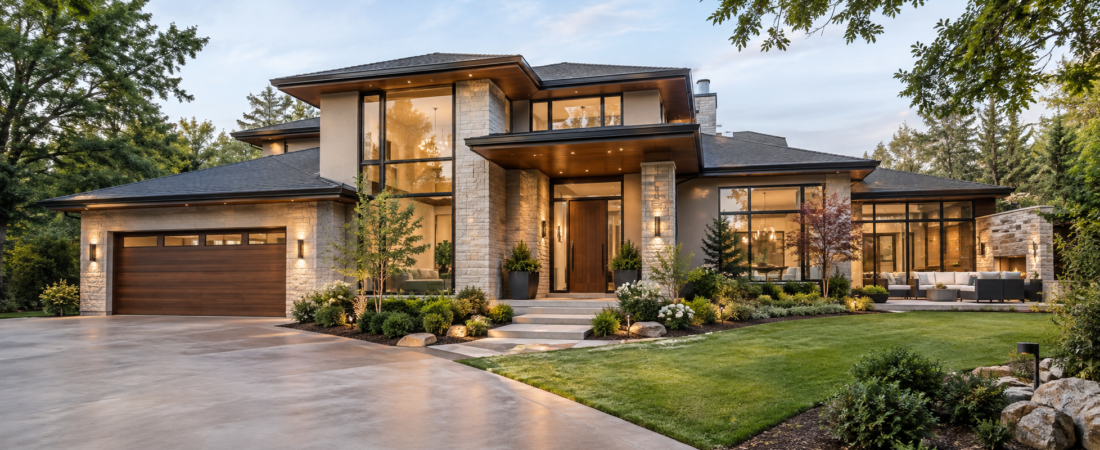
Luxury home construction is the process of designing and building a high-end custom House using premium materials, skilled craftsmanship, personalized layouts, and carefully planned features. Unlike a standard house built around a limited selection of floor plans, a luxury home is usually designed around the homeowner’s lifestyle, preferences, property, and long-term needs.
The idea of luxury can mean different things to different people. For one homeowner, it may be a dramatic entrance and oversized windows. For another, it could be a peaceful master suite, a professional kitchen, a private garden, or a comfortable outdoor entertaining area. The best luxury homes focus on quality and personal comfort rather than simply adding expensive features.
What Makes a Luxury Home Different?
A luxury home stands out through the combination of design, materials, workmanship, comfort, and attention to detail. Premium flooring or expensive fixtures alone do not make a property luxurious. Instead, the entire home should feel cohesive, carefully considered, and built to a high standard.
Good proportions, natural light, thoughtful room placement, quality windows and doors, custom cabinetry, attractive architectural details, and durable materials can have a greater impact than simply adding more features. The result should feel elegant without becoming difficult to live in.
Planning Your Luxury Home Before Construction
The planning stage is where many of the most important decisions are made. Before construction begins, think carefully about how you actually live and what you want the home to provide. Consider the number of bedrooms, entertaining areas, workspaces, storage, parking, outdoor spaces, guest accommodation, and future needs.
Your building site should also influence the design. The position of the sun, views, privacy, access, surrounding properties, local regulations, drainage, and existing landscape can all affect the final plan. A good architect does not simply place a beautiful house on a piece of land; they design the house to work with that particular location.
Creating a Custom Luxury Home Design
A custom design gives you the opportunity to create rooms around your lifestyle instead of adjusting your lifestyle to a standard floor plan. Open living spaces can connect the kitchen, dining area, and family room, while quieter areas can provide privacy when needed.
Think beyond room size and consider how people move through the house. A well-designed luxury home often has a natural flow between public and private areas. Bedrooms may be positioned away from busy entertaining spaces, while the kitchen can connect conveniently to dining, outdoor living, and service areas.
Choosing the Right Architectural Style
Luxury homes can work with almost any architectural style. Contemporary, modern, traditional, transitional, Mediterranean, minimalist, and other styles can all produce beautiful results when the design is handled consistently.
The key is choosing a style that suits both the property and your taste. A classic exterior with carefully selected stone and traditional detailing can create timeless appeal, while a contemporary design may rely on clean lines, large windows, natural materials, and simple geometric forms.
Selecting High-Quality Building Materials
Materials have a major influence on how a luxury home looks, feels, and performs over time. Natural stone, hardwood, architectural metal, quality brick, premium tile, high-performance glass, and custom millwork can add character and durability when selected carefully.
However, expensive does not automatically mean better. A material should be chosen for its appearance, performance, maintenance requirements, and suitability for the location. A beautiful material that is difficult to maintain may not be the best choice for a busy household.
Luxury Kitchens Designed for Real Life
The kitchen is often one of the most important spaces in a high-end home. A luxury kitchen can combine generous work surfaces, custom cabinetry, quality appliances, a well-planned island, attractive lighting, and plenty of storage without feeling overly complicated.
Consider how the kitchen will actually be used. If the family cooks frequently, workflow and storage may matter more than decorative features. If entertaining is important, an open connection to the dining and living areas can make the space feel more social and welcoming.
Designing a Comfortable Primary Suite
A luxury primary suite should feel like a private retreat rather than simply a large bedroom. Comfortable proportions, quality flooring, layered lighting, generous wardrobes, attractive views, and carefully chosen finishes can create a relaxing atmosphere.
The bathroom is another major part of the suite. Features such as a large walk-in shower, freestanding bathtub, double vanity, heated flooring, quality fixtures, and thoughtful storage can add comfort without making the room feel excessive.
Luxury Bathrooms With Timeless Appeal
A high-end bathroom should balance beauty with practicality. Natural stone or high-quality porcelain tile, elegant fixtures, frameless glass, custom vanities, good ventilation, and carefully positioned lighting can create a refined appearance.
Avoid designing a bathroom around trends that may quickly look dated. Neutral materials and timeless shapes can provide a strong foundation, while smaller decorative elements can be changed more easily as tastes evolve.
Adding Smart Home Features
Technology can make a luxury home more comfortable when it is integrated thoughtfully. Automated lighting, climate controls, security systems, motorized shades, audio systems, and smart locks can all improve convenience.
The best technology is often the technology you barely notice. Instead of filling rooms with visible devices, modern systems can be discreetly integrated into the architecture. Good planning is especially important because wiring, equipment locations, and electrical requirements are much easier to address before construction is complete.
Energy Efficiency in Luxury Home Construction
Luxury and energy efficiency can work together. High-performance windows, effective insulation, efficient heating and cooling systems, LED lighting, quality building envelopes, and carefully designed shading can reduce energy consumption while improving indoor comfort.
Energy-efficient design can also make a home feel better. Rooms with good insulation and properly controlled sunlight tend to maintain more comfortable temperatures, while quality windows can reduce drafts and outside noise.
Creating Beautiful Outdoor Living Areas
Outdoor space can become an extension of the home. Covered patios, outdoor kitchens, comfortable seating areas, swimming pools, landscaped gardens, fire features, and dining spaces can make the property more enjoyable throughout the year.
The outdoor design should connect naturally with the architecture. Large doors opening from the living room onto a terrace, for example, can visually extend the interior and make both areas feel larger.
The Importance of Lighting Design
Lighting can completely change the atmosphere of a luxury home. A good lighting plan usually combines natural light with several layers of artificial lighting rather than depending on a single bright ceiling fixture.
Ambient lighting provides general illumination, task lighting supports activities such as cooking or reading, and accent lighting highlights architectural details, artwork, landscaping, or decorative features. Warm, adjustable lighting can also make evening spaces feel more comfortable.
Custom Storage and Built-In Features
Luxury is often found in the details that make everyday life easier. Custom wardrobes, built-in shelving, concealed storage, mudrooms, organized utility areas, and carefully designed kitchen storage can help keep the home uncluttered.
These features are especially valuable because they are designed around the household rather than added as an afterthought. A beautifully designed storage system can make even a busy family home feel calm and organized.
Choosing a Luxury Home Builder
Choosing the right builder is one of the most important decisions in the entire project. Look for a company with experience in custom residential construction, strong references, clear communication, quality workmanship, and a portfolio that reflects the type of home you want to build.
Do not judge a builder only by photographs. Ask about previous projects, construction processes, subcontractors, scheduling, quality control, warranties, and how changes are handled. A trustworthy builder should be comfortable explaining the process rather than making unrealistic promises.
Understanding the Luxury Home Construction Budget
A luxury construction budget should account for more than the basic cost of building the structure. Design fees, engineering, permits, site preparation, landscaping, interior finishes, appliances, lighting, technology, furnishings, and unexpected changes can all affect the final cost.
It is wise to establish priorities early. If a particular feature matters greatly to you, allocate the budget accordingly instead of spending heavily on small decorative upgrades that have little long-term value.
Why Site Preparation Matters
The building site can have a major effect on construction costs and project complexity. Sloped land, difficult soil conditions, drainage problems, demolition, limited access, or extensive excavation may require additional work before the home itself can be constructed.
A professional site assessment can identify potential challenges early. Discovering these issues during planning is much easier than discovering them after construction has already started.
Managing the Construction Timeline
Luxury homes can take considerable time to complete because custom designs often involve detailed architectural work, specialized materials, custom manufacturing, inspections, and numerous trades. Weather, material availability, design changes, and permitting can also influence the schedule.
A realistic timeline is more useful than an overly optimistic promise. Good communication between the homeowner, architect, builder, designers, and suppliers can help reduce unnecessary delays.
Common Mistakes to Avoid
One common mistake is focusing too heavily on appearance while overlooking functionality. A home can look spectacular in photographs but become frustrating if the kitchen lacks storage, bedrooms have poor privacy, or daily movement through the house feels awkward.
Another mistake is changing major decisions after construction begins. Late changes can increase costs and delay the project. Taking more time during the design stage can often save money and stress later.
How to Make a Luxury Home Feel Timeless
A timeless luxury home does not need to follow every design trend. Start with strong architecture, quality materials, balanced proportions, and a neutral foundation. Personal style can then be introduced through furniture, artwork, lighting, textiles, and smaller decorative elements.
This approach allows the home to evolve without requiring a major renovation every few years. The goal is not to make the house look old-fashioned or overly traditional. It is to create a design that still feels considered and attractive as trends change.
Is Luxury Home Construction Worth It?
Luxury home construction can be worthwhile for homeowners who value customization, quality, comfort, privacy, and long-term enjoyment. The biggest advantage is the ability to create a home around the way you actually live instead of compromising with an existing property.
The investment also gives you control over many details, from the floor plan and materials to lighting, storage, technology, landscaping, and outdoor living. However, the project requires careful budgeting, patience, and the right professionals.
Conclusion
A truly successful luxury home is not defined by its size or the number of expensive features inside it. It is defined by how well everything works together. Good architecture, quality materials, skilled craftsmanship, thoughtful technology, comfortable spaces, and personal details create a home that feels special without trying too hard.
If you are considering luxury home construction, spend plenty of time on planning before breaking ground. Choose professionals carefully, establish a realistic budget, prioritize the features that matter most to your lifestyle, and think about how the house will feel five, ten, or even twenty years from now. When those decisions are made well, the result is more than an impressive property—it becomes a home designed specifically for the people who live there.
FAQs About Luxury Home Construction
What is included in luxury home construction?
Luxury home construction can include custom architectural design, premium building materials, high-quality finishes, custom cabinetry, luxury kitchens and bathrooms, advanced lighting, smart-home systems, landscaping, outdoor living areas, and other personalized features depending on the project.
How long does it take to build a luxury home?
The timeline varies considerably depending on the size and complexity of the home, location, design, permitting, material availability, weather, and level of customization. A custom luxury home generally requires more planning and construction time than a standard home.
What makes a house a luxury home?
A luxury home typically combines high-quality construction, thoughtful architecture, premium materials, personalized design, comfortable spaces, excellent craftsmanship, and features tailored to the homeowner’s lifestyle. Luxury is about overall quality and experience rather than simply size or price.
Is it cheaper to build or buy a luxury home?
There is no universal answer. Buying an existing luxury home may be faster, while building allows you to customize the design and features from the beginning. The better option depends on land costs, local property prices, construction costs, and how much customization you want.
What should I look for in a luxury home builder?
Look for experience with custom residential projects, strong references, transparent pricing, clear communication, quality craftsmanship, reliable subcontractors, proper licensing where applicable, and a portfolio that demonstrates consistent work.
Read also: Cheap Simple Front Yard Landscaping Ideas That Looks Great