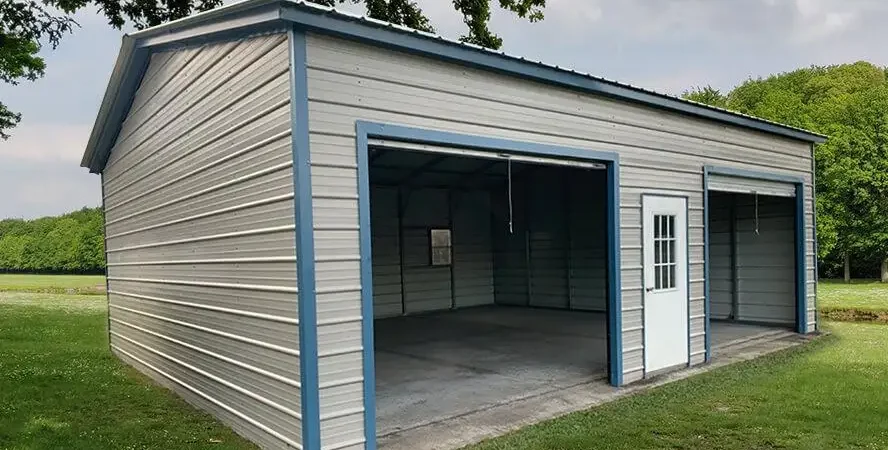
Steel garage kits are prefabricated building packages designed to create a garage using steel structural components and metal panels. Depending on the manufacturer, a kit may include the main frame, roof system, wall panels, trim, fasteners, doors, and other components, while some packages require additional materials or separately purchased accessories. The exact contents vary, so buyers should always check what is included before comparing prices.
The basic idea is straightforward: many of the building components are manufactured before they arrive at the property. This can make construction more organized because the structure is designed around predetermined dimensions and components. Some kits are intended for professional installation, while others may be suitable for experienced builders depending on their size and complexity.
Why Are Steel Garage Kits Popular?
Steel garages have become popular because they combine structural strength with practical maintenance requirements. Unlike traditional timber construction, steel is not susceptible to termites and does not rot in the same way that untreated wood can. Properly coated steel can also provide long-term resistance to ordinary outdoor exposure.
Another advantage is design flexibility. A garage can be relatively small for a single vehicle or considerably larger for multiple vehicles, machinery, storage, or workshop use. Steel buildings can also be configured with different roof styles, doors, windows, colors, and interior options depending on the manufacturer and local requirements.
What Can You Use a Steel Garage For?
A garage does not have to be limited to parking a vehicle. Many owners use these buildings to store lawn equipment, motorcycles, bicycles, tools, seasonal items, trailers, or outdoor furniture. A larger structure can provide enough room for shelving and organized storage without taking up valuable space inside the house.
For people who enjoy practical projects, a steel garage can also become a workshop. With appropriate lighting, electrical service, insulation, ventilation, and interior finishing, the building can provide a dedicated place for woodworking, vehicle maintenance, crafts, or other hobbies. The intended use should be decided before purchasing because it can affect the size, layout, foundation, and features required.
Types of Steel Garage Kits
There is no single style that fits every property. Steel garage kits can range from simple single-car structures to large multi-bay buildings designed for vehicles, workshops, or equipment. The right choice depends mainly on available land, intended use, budget, and local regulations.
Single-Car Steel Garage Kits
A single-car garage is a practical choice when the main goal is protecting one vehicle while adding a modest amount of storage. It can also work well on smaller properties where a large building would overwhelm the available space.
Two-Car Steel Garage Kits
Two-car designs provide more flexibility and are useful for households with multiple vehicles. The additional floor area can also create room for shelving, bicycles, tools, or a small workbench without making the space feel cramped.
Large Steel Garage Buildings
Larger buildings are often chosen for workshops, agricultural equipment, commercial storage, recreational vehicles, or multiple vehicles. These structures require more careful planning because foundation requirements, structural loads, access, and local permits can become more significant as the building grows.
How Much Do Steel Garage Kits Cost?
The cost of a steel garage kit depends on several variables, including size, steel specifications, design, doors, windows, roof configuration, insulation, foundation requirements, delivery, and installation. A basic kit may look inexpensive at first, but the final project cost can be considerably higher once site preparation and additional construction work are included.
This is why comparing only the advertised kit price can be misleading. A useful budget should account for the complete project rather than the package alone. Ask whether the quoted price includes delivery, assembly, foundation work, doors, windows, insulation, electrical work, and permits. Getting those details in writing makes comparisons much easier.
Are Steel Garage Kits Cheaper Than Traditional Garages?
They can be more economical in some situations, but there is no universal answer. A prefabricated system can reduce certain design and material-handling costs because many components are manufactured as part of a standardized system. Construction may also be more predictable than building every structural component from scratch.
However, the total price depends heavily on the project. A simple uninsulated garage on an already prepared site will have very different costs from a large insulated workshop with electrical service, finished interiors, concrete foundations, multiple doors, and extensive site preparation.
What Is Included in a Garage Kit?
The contents of a kit depend on the manufacturer and package. Many systems include structural steel framing, exterior metal panels, roofing components, trim, and fasteners. Some packages also include garage doors, windows, insulation systems, or other accessories.
Never assume that every part of the finished garage is included. Foundation construction, concrete slabs, electrical wiring, plumbing, interior finishing, drainage, and permits may be separate. Before ordering, request a detailed materials list and installation specification so you know exactly what you are buying.
Do Steel Garages Need a Foundation?
Most permanent steel garages require an appropriate foundation or base designed for the structure and site conditions. A concrete slab is common for many garage applications because it provides a stable surface for vehicles and helps anchor the building, but the correct foundation depends on the building design, soil, climate, local regulations, and engineering requirements.
Foundation planning should happen before the kit arrives. A structure cannot compensate for a poorly prepared base, and mistakes at this stage can create problems with alignment, doors, drainage, and long-term stability. Follow the manufacturer’s foundation requirements and local building standards rather than assuming every site needs the same solution.
Do You Need Planning Permission or a Building Permit?
Permit requirements vary by location, building size, intended use, property type, and local regulations. Some small structures may have different requirements from larger permanent garages, but it is risky to assume that a kit is automatically exempt simply because it is prefabricated.
Before purchasing, contact the relevant local building authority and ask about zoning, setbacks, permits, foundation requirements, structural standards, and any restrictions affecting the property. Taking care of these questions early can prevent expensive changes after construction has started.
Are Steel Garages Durable?
Steel is widely used for structural and agricultural buildings because of its strength and durability. A properly designed and installed steel garage can withstand normal environmental exposure, but durability depends on more than the material itself. The quality of the steel, protective coating, fasteners, structural design, foundation, installation, and local weather conditions all matter.
Heavy snow, strong winds, coastal exposure, humidity, and other environmental conditions may require specific structural considerations. A reputable supplier should be able to provide information about the building’s design specifications and applicable load requirements rather than simply making broad claims about strength.
Are Steel Garages Easy to Maintain?
One of the practical advantages of a steel garage is that routine maintenance can be relatively straightforward. Owners should periodically inspect the exterior panels, roof, fasteners, doors, seals, drainage areas, and foundation for signs of damage or wear.
Small issues are usually easier to address when they are discovered early. Scratches or damaged protective coatings should not simply be ignored, particularly in environments where moisture can reach exposed metal. Keeping gutters and drainage systems clear can also help prevent water from collecting around the building.
Can You Insulate a Steel Garage?
Yes, steel garages can be insulated, and insulation is worth considering if the building will be used as a workshop or occupied space. Metal transfers heat relatively quickly, so an uninsulated building can become uncomfortable during very hot or cold weather.
The appropriate insulation system depends on the building design and climate. Options may include fiberglass, rigid foam, spray foam, or other building-envelope systems. Insulation should be planned alongside ventilation and moisture control rather than added as an afterthought.
What About Condensation in a Steel Garage?
Condensation can become an issue when warm, moist air comes into contact with cooler metal surfaces. This can lead to moisture accumulation and, over time, create problems for stored belongings or metal components.
Good ventilation, appropriate insulation, vapor-control strategies, and proper site drainage can help manage moisture. The best approach depends on the local climate and how the building will be used. If the garage will house valuable equipment or serve as a regularly occupied workshop, moisture control deserves particular attention during the design stage.
Choosing the Right Size
Choosing the garage size based only on what you need today can be a mistake. Vehicles, storage needs, tools, and hobbies tend to expand over time. A few extra feet of width or depth can make a noticeable difference in how comfortably the space functions.
Think about more than the vehicle itself. Consider door clearance, walking space, shelves, workbenches, bicycles, lawn equipment, and future storage. If you plan to use the garage as a workshop, allow enough room to move around equipment safely rather than filling every available section of floor space.
Garage Doors and Access
The garage door is one of the most important functional parts of the building. Single, double, roll-up, sectional, and other door configurations may be available depending on the kit. Your choice should reflect the vehicles or equipment you intend to move through the opening.
Also consider the approach to the garage. A large door is not particularly useful if the driveway is too narrow or the turning area is restricted. Measure the available access before finalizing the building dimensions and door placement.
Windows, Lighting, and Ventilation
Windows can bring natural light into a garage and make the space more pleasant during the day. However, their placement should be considered alongside privacy, security, insulation, and the internal layout.
Ventilation becomes particularly important if the building will be used as a workshop or for vehicle maintenance. Adequate airflow can help control heat, odors, and moisture. Electrical planning should also happen early so outlets, lighting, and equipment can be positioned where they are actually useful.
Can You Customize Steel Garage Kits?
Many steel garage systems offer customization options, although the available choices vary between manufacturers. Buyers may be able to select dimensions, roof styles, colors, doors, windows, insulation, framing options, and interior features.
Customization can make a garage much more useful, but it also affects the final cost. Start with the features that directly support your intended use. There is little value in paying for decorative additions while overlooking practical details such as ventilation, lighting, storage space, or adequate door clearance.
How to Choose a Steel Garage Kit Supplier
Choosing the supplier is just as important as choosing the building. Look for clear specifications, transparent pricing, installation information, warranty details, and documentation explaining what is included in the package.
A trustworthy supplier should be willing to answer practical questions rather than relying only on attractive photographs and a low starting price. Ask about structural specifications, corrosion protection, delivery, installation, replacement parts, and customer support. Reviews can provide useful context, but they should be considered alongside the company’s documentation and contractual terms.
Common Mistakes to Avoid
One common mistake is buying a garage based entirely on the lowest advertised price. A cheap package may exclude foundation work, doors, delivery, installation, or other necessary components. Another mistake is choosing dimensions without considering future storage or workspace requirements.
Ignoring local regulations can cause an even bigger problem. Before ordering, confirm whether the proposed building is allowed on the property and whether permits or engineered plans are required. Finally, don’t overlook drainage, ventilation, insulation, and access. These details may not look exciting during the buying process, but they strongly affect how useful the finished garage will be.
Are Steel Garage Kits Right for You?
A steel garage kit can make sense if you want a durable structure with a relatively straightforward construction process and flexible options for storage or vehicle protection. It can be particularly useful when you need more space but don’t want to design and source every structural component individually.
The important part is matching the kit to the actual property and intended use. Think about size, foundation, local requirements, climate, insulation, doors, ventilation, and total project cost before making a decision. When those details are planned properly, a steel garage can become a practical long-term addition rather than simply another building on the property.
Conclusion
Steel garage kits offer a practical way to create additional covered space for vehicles, tools, equipment, storage, or hobbies. Their appeal comes from the combination of prefabricated construction, steel’s durability, and the range of sizes and configurations available.
The smartest approach is to look beyond the kit’s advertised price. Compare the complete project, including the foundation, delivery, assembly, doors, insulation, permits, and other necessary work. Most importantly, make sure the design suits your property and how you actually plan to use the building. A little planning before the order is placed can save considerable time, money, and frustration later.
FAQs About Steel Garage Kits
Are steel garage kits worth it?
Steel garage kits can be a practical option for people who want durable vehicle or storage space without designing a building completely from scratch. Their value depends on the kit quality, total project cost, site conditions, and intended use.
How long does a steel garage kit last?
A properly designed and maintained steel garage can provide many years of service. Its lifespan depends on factors such as steel quality, protective coatings, installation, foundation conditions, weather exposure, and regular maintenance.
Can a steel garage be insulated?
Yes. Steel garages can be insulated using systems such as fiberglass, rigid foam, or spray foam, depending on the building design and local conditions. Insulation can make the garage more comfortable and help manage temperature and condensation.
Do steel garage kits include installation?
Not always. Some suppliers offer installation packages, while others sell the materials only. Always confirm whether assembly, delivery, foundation work, and other construction services are included in the quoted price.
Do steel garages rust?
Steel can corrode when exposed to moisture, but many modern steel building components use protective coatings designed to reduce corrosion. Regular inspections and prompt repair of damaged coatings can help protect exposed metal.
Read also: Bathroom Remodeling Knoxville TN Ideas, Costs & Tips