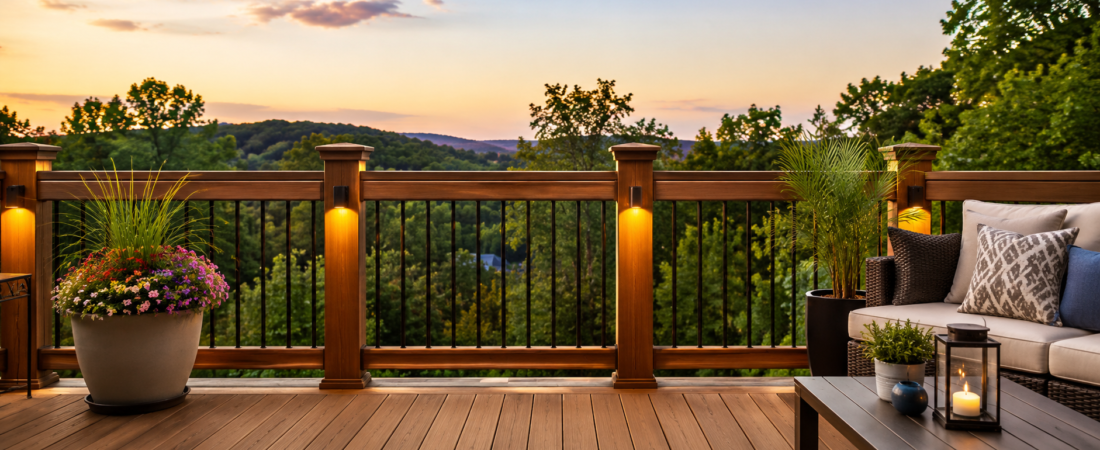
Wood deck railing ideas can quickly improve the look and feel of your outdoor space. The right railing adds safety, style, and character, whether you prefer a rustic, modern, or classic design. Wood is especially versatile because it can be stained, painted, or combined with materials like metal and cable.
Why Choose Wood Deck Railing?
Wood remains a popular choice because it has a warm, natural appearance that works well with almost any home exterior. Cedar, redwood, pressure-treated lumber, and other suitable outdoor woods can create different looks depending on the finish and design. Wood also feels more welcoming than many purely manufactured materials, especially when the deck is surrounded by trees, gardens, or other natural features. With proper maintenance, a well-built wooden railing can remain attractive while providing the support and protection a deck needs.
1. Classic Vertical Wood Railing
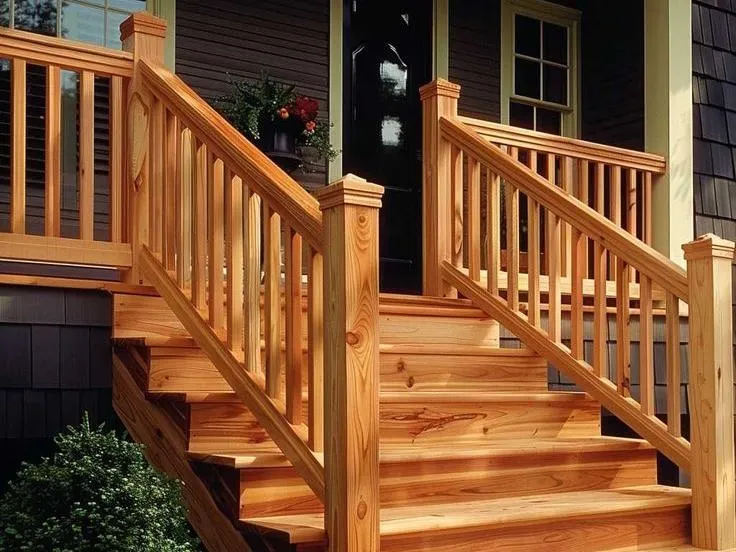
A classic vertical railing is one of the safest choices when you want a design that looks good without feeling overly trendy. It typically uses sturdy wooden posts, a horizontal top rail, and evenly spaced vertical balusters. This arrangement works particularly well on traditional, farmhouse, and suburban homes because it has a familiar appearance. You can keep the wood in its natural tone for a warm look or apply a darker stain for more contrast. The simple design also makes it easier to coordinate the railing with existing stairs, posts, and deck boards.
2. Horizontal Wood Slat Railing
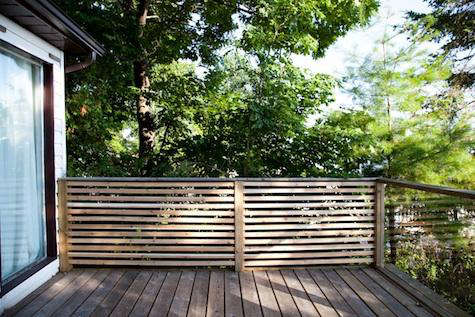
Horizontal slats give a traditional wood deck a more contemporary personality. Instead of vertical balusters, narrow boards run horizontally between the posts, creating clean lines across the deck. This style can make the railing feel more substantial and visually connected to the architecture of a modern home. Wider gaps create a lighter appearance, while closer spacing provides more visual privacy. Before choosing the spacing, however, check your local building requirements because deck railing rules can vary by location.
3. Rustic Timber Railing
If your deck is surrounded by trees or sits near a natural landscape, a rustic timber railing can feel like a natural extension of the setting. Thick wooden posts, substantial rails, and a slightly textured finish give the design a relaxed character. You do not necessarily need perfectly smooth lumber to achieve this appearance. A natural stain that highlights the grain can make the railing feel even more connected to the outdoors. This approach works especially well for cabins, country homes, and decks designed for relaxed family gatherings.

4. Wood and Black Metal Railing
Combining wood with black metal is an easy way to create a modern railing without losing the warmth of natural materials. Wooden posts and handrails provide texture, while slim black metal balusters add contrast and keep the design visually light. The combination can work with both contemporary and transitional homes. It is also a practical choice when you want the railing to stand out without completely blocking the view from the deck. A medium or dark wood stain usually pairs particularly well with black metal.
5. Wood and Cable Railing
Cable railing is worth considering when the view beyond your deck is one of its biggest features. Instead of solid wooden balusters, thin horizontal cables run between sturdy wood posts. The cables create a relatively unobstructed sightline toward a garden, yard, lake, or landscape. The wood keeps the design warm and inviting, while the cable system gives it a cleaner appearance. This style can be especially attractive on elevated decks where preserving the surrounding view matters.

6. Wood Privacy Railing
Sometimes the goal is not to see through the railing but to create a more private outdoor retreat. A privacy railing can use closely spaced boards, taller sections, or strategically positioned panels to reduce views from neighboring properties. This can make a deck feel more comfortable for morning coffee, outdoor dining, or quiet evenings. Rather than enclosing the entire deck, you can use privacy panels only along the side where they are most useful. That approach keeps the space open while giving you privacy where you actually need it.
7. Decorative X-Pattern Railing
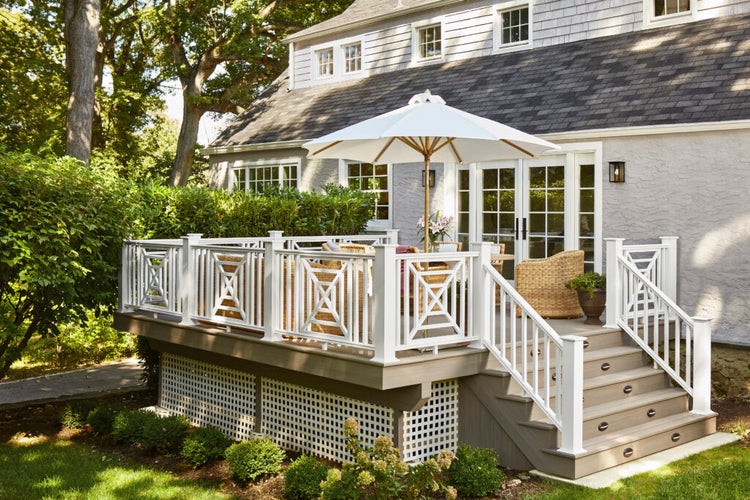
An X-pattern railing adds a little personality to a basic deck. Diagonal wooden pieces are arranged between the posts to create repeated diamond or X-shaped sections. The pattern can suit farmhouse, cottage, rustic, and traditional homes particularly well. Because the design is more decorative than a simple baluster system, it can become one of the deck’s main visual features. Keep the rest of the deck relatively simple so the patterned railing does not compete with too many other details.
8. Minimalist Wood Railing
If you prefer a clean and uncluttered outdoor space, a minimalist railing may be the right direction. This design focuses on simple posts, straight lines, and carefully proportioned rails without unnecessary decoration. A smooth wood finish can emphasize the grain while keeping the overall appearance refined. Minimalist railings work particularly well with modern homes, but they can also update an older deck without requiring a complete redesign. The key is consistency: simple railing lines look best when they complement the shape and architecture of the deck.
9. Wood Railing With Built-In Planters
A railing can do more than define the edge of a deck. With carefully designed planter boxes, it can also become part of your landscaping. Wooden planters attached to or positioned along the railing can hold flowers, herbs, ornamental grasses, or other suitable plants. This idea is especially useful for decks that feel a little bare or disconnected from the surrounding garden. Just make sure planters are properly supported and protected from excess moisture so water does not cause premature deterioration of the wood.
10. Wood Railing With Integrated Lighting
Adding lighting to a wooden railing can change the atmosphere of a deck after sunset. Small lights can be incorporated near posts, beneath the handrail, or around stair areas to provide a soft glow while improving visibility. Warm, subtle lighting generally works better than overly bright fixtures when the goal is to create a comfortable outdoor setting. Lighting can also highlight the natural texture of the wood and make architectural details more noticeable at night. For electrical work, use outdoor-rated components and follow applicable safety requirements.

How to Choose the Right Wood Railing Design
The best railing depends on more than appearance. Start by considering the architecture of your home, the size of your deck, the view you want to preserve, and how much privacy you need. A horizontal slat design may suit a modern house, while a traditional vertical railing can blend naturally with a classic exterior. If the deck overlooks an attractive landscape, cable railing may make more sense than a solid privacy design. Think about maintenance as well, because a beautiful railing is much easier to enjoy when its upkeep fits your lifestyle.
Best Wood Types for Deck Railings
Different types of wood offer different appearances, durability, and maintenance needs. Cedar is popular for its natural color and outdoor performance, while redwood is known for its attractive grain and rich appearance. Pressure-treated lumber is another common choice because it is widely available and designed for outdoor use. The best option depends on your local climate, budget, availability, and how frequently you are willing to maintain the railing. Whatever material you choose, make sure it is appropriate for exterior deck construction.
Staining and Finishing Your Wood Railing
The finish can completely change the look of the same railing design. A clear or lightly tinted finish can highlight the natural grain, while a darker stain can give the deck a richer and more dramatic appearance. Paint provides even more color options if you want the railing to coordinate with your home’s trim. Before applying any finish, prepare the wood properly and use a product intended for exterior conditions. Regular inspection and maintenance can help identify fading, cracking, moisture damage, or loose components before small issues become expensive repairs.
Deck Railing Safety Matters
Style should never come before safety. A deck railing needs to be properly designed, securely attached, and built according to the applicable local requirements for height, spacing, structural strength, and stairs. These requirements can differ depending on where you live and the type of deck you have. If you are replacing an existing railing or building a new one, check with your local building authority before construction. When structural details are uncertain, getting advice from a qualified deck professional is a smart move.
How to Make a Wood Railing Look More Expensive
You do not necessarily need expensive materials to create a high-end appearance. Consistent spacing, clean cuts, carefully finished edges, and a quality stain can make a simple railing look much more refined. Matching the railing stain with other wood elements also creates a cohesive appearance. Small details such as integrated lighting, attractive post caps, or a carefully selected combination of wood and metal can add character without overwhelming the deck. Good proportions often matter more than complicated decoration.
Maintaining a Wooden Deck Railing
A little maintenance can go a long way. Inspect the railing regularly for loose fasteners, cracks, rot, splintering, or signs of water damage. Clean away dirt and organic debris, especially in areas where moisture tends to collect. Depending on the wood and finish, you may eventually need to reseal or restain the surface. Paying attention to small problems early helps protect both the appearance and structural condition of the railing.
Conclusion
The right wood deck railing can make an outdoor space feel safer, more comfortable, and much more finished. From classic vertical balusters and rustic timber to horizontal slats, cable systems, privacy panels, and wood-and-metal combinations, there is plenty of room to match the design to your home and lifestyle. Before choosing a style, think about the view, privacy, maintenance, budget, and local safety requirements. A simple, well-built railing that fits the house will usually look better for longer than a complicated design chosen only because it is trendy.
FAQs About Wood Deck Railing Ideas
What is the most popular wood deck railing style?
Traditional vertical baluster railings remain a popular choice because they are versatile and work with many home styles. Horizontal slat designs are also increasingly common for homeowners who want a more modern appearance.
Are horizontal wood deck railings a good idea?
Yes, horizontal railings can create a clean contemporary look and make the deck feel more connected to the surrounding architecture. However, spacing and construction should follow local deck railing requirements.
What is the best wood for a deck railing?
Cedar, redwood, and properly treated exterior lumber are common choices. The best option depends on your climate, budget, desired appearance, and maintenance expectations.
How can I make my wood deck railing more private?
Use closely spaced boards, taller railing sections where permitted, or dedicated privacy panels. You can also combine the railing with suitable plants to create a softer natural screen.
How often should a wooden deck railing be maintained?
Maintenance depends on the wood, finish, weather exposure, and local climate. Inspect it regularly and refinish it when the surface begins showing significant fading, dryness, or weathering.
Read also: 7 Apartment Small Living Room Ideas for a Stylish Space