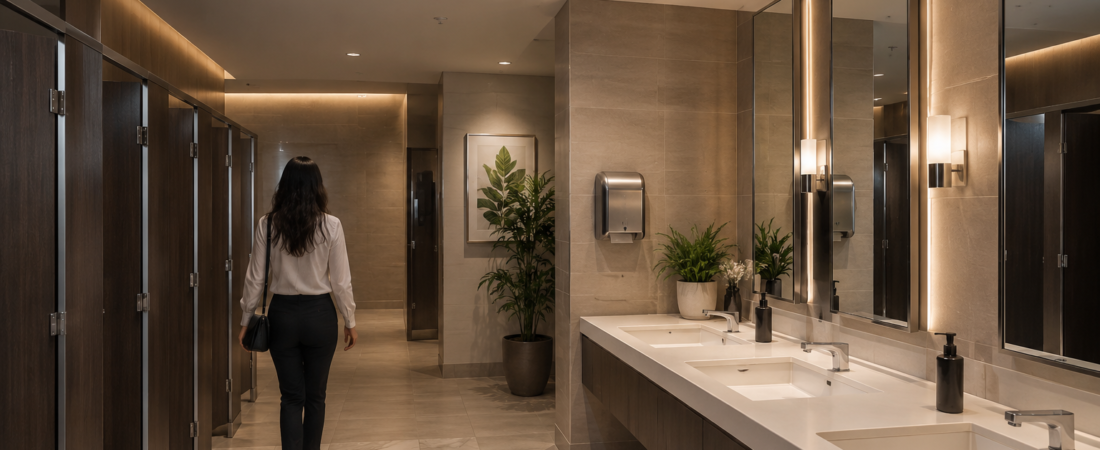
SQRWomensRestroom refers to a women’s restroom designed with privacy, cleanliness, comfort, and convenience in mind. Found in places like offices, malls, schools, airports, and restaurants, a well-designed restroom should offer clean facilities, enough space, good lighting, proper ventilation, and easy access to essential features.
Understanding SQRWomensRestroom
The term SQRWomensRestroom can be viewed as a keyword connected with women’s restroom facilities and the features people commonly expect from them. A women’s restroom is generally designed around privacy and everyday convenience. It usually includes multiple enclosed toilet stalls, shared handwashing areas, mirrors, soap dispensers, hand dryers or paper towels, and waste bins. Depending on the location, there may also be additional facilities such as changing areas, baby-care spaces, accessible stalls, or personal hygiene disposal units. The overall purpose is straightforward: provide a safe and comfortable place for personal needs while keeping the space clean and easy to use.
Privacy in a Women’s Restroom
Privacy is one of the most important parts of a comfortable restroom. Enclosed stalls give users personal space and help create a sense of comfort in busy public environments. Good stall design includes properly fitted doors, secure locks, suitable partitions, and enough separation between individual spaces. Even small details can influence how private a restroom feels. A thoughtfully designed layout allows people to use the facilities without feeling unnecessarily exposed or uncomfortable, especially when the restroom is located in a crowded public building.
Cleanliness Makes a Difference
A clean restroom feels completely different from one that has been neglected. Regular cleaning helps keep floors, sinks, toilets, mirrors, doors, and frequently touched surfaces in good condition. Soap and hand-drying supplies should also be available when people need them. In busy locations, restrooms may require frequent attention throughout the day because many people use the facilities. Simple maintenance routines can make the space more pleasant and help create a better overall impression of the building. Cleanliness is not just about appearance; it also contributes to good everyday hygiene.
Toilets and Individual Stalls
Individual toilet stalls are a central feature of most women’s restrooms. Each stall needs enough room for comfortable movement, a properly functioning door, and a reliable locking mechanism. The toilet itself should be clean and maintained regularly. Some modern restrooms also use water-saving toilets and touch-free flushing systems. These features can make the facilities easier to maintain while reducing unnecessary water use. A well-organized stall area should also provide enough space for users to enter, close the door, use the toilet comfortably, and leave without difficulty.
Sinks and Handwashing Areas
The sink area is another essential part of a women’s restroom. A good handwashing station should provide clean running water, soap, and a practical way to dry hands. Multiple sinks can help prevent crowding when several people are using the restroom at the same time. Touch-free faucets and soap dispensers are also common in newer facilities because they reduce the need to touch shared surfaces. Countertops should be kept clean, and water should not be allowed to collect around the basins. A tidy sink area makes the entire restroom feel better maintained.
Mirrors and Lighting
Mirrors are commonly included above or near restroom sinks and are useful for quick personal grooming. Good lighting is equally important. Bright enough lighting helps people see clearly without making the room feel harsh or uncomfortable. Modern restroom designs often combine ceiling lighting with carefully positioned fixtures around mirrors. Natural-looking illumination can make the space feel more welcoming. Lighting also contributes to the overall appearance of the restroom, particularly in commercial locations where presentation matters.
Ventilation and Fresh Air
Ventilation plays an important role in maintaining a comfortable restroom environment. Restrooms naturally experience moisture and changing air quality, particularly during busy periods. Proper ventilation helps move humid or stale air out of the room and allows fresh air to circulate. This can also help reduce lingering odors and moisture buildup. A restroom with effective ventilation generally feels fresher and more comfortable. For this reason, ventilation should be considered an important part of restroom planning rather than an afterthought.
Accessibility in Women’s Restrooms
Accessibility is an important part of modern restroom design. An accessible restroom area should provide enough room for people who use wheelchairs or mobility aids. Features may include wider doors, suitable grab bars, accessible sinks, lower fixtures, and enough turning space. The exact requirements can vary depending on local building standards and the type of facility. Including accessible facilities makes public spaces easier to use for a wider range of people. Thoughtful design considers different physical needs rather than assuming that every visitor uses a restroom in the same way.
Baby Changing Facilities
Some women’s restrooms include baby changing stations for parents and caregivers. These facilities can be especially useful in shopping malls, airports, restaurants, family entertainment centers, and other places where people may spend several hours. A changing station should be positioned securely and kept clean between uses. Providing a dedicated area for changing a baby can make a routine visit much easier for families. In modern public spaces, these small conveniences can have a surprisingly positive effect on the overall experience.
Personal Hygiene Facilities
Women’s restrooms may include facilities intended for personal hygiene needs. Disposal bins inside individual stalls provide a practical place for sanitary products and other appropriate waste. These bins should be emptied and cleaned regularly to keep the restroom fresh. Some facilities may also provide sanitary product dispensers or vending machines. Having these basic conveniences available can make a public restroom more practical, especially when people are away from home for long periods.
Restroom Design and Layout
The layout of a women’s restroom affects how easily people can move through the space. A practical design separates different areas without making the room feel cramped. Stalls are generally placed away from the main entrance where possible, while sinks and mirrors are arranged in a shared area. Clear movement paths help prevent congestion, particularly during busy periods. A thoughtful layout also makes cleaning and maintenance easier. Good restroom design is therefore a combination of appearance, function, privacy, and efficient use of available space.
Materials Used in Modern Restrooms
Restrooms experience constant exposure to water, moisture, cleaning products, and heavy foot traffic, so durable materials are important. Ceramic tiles, porcelain fixtures, stainless steel fittings, solid-surface countertops, and washable wall finishes are common choices. Flooring should provide suitable traction and be relatively easy to clean. Materials also contribute to the visual character of the space. Neutral colors and simple finishes can create a clean appearance, while carefully chosen textures and details can make the restroom feel warmer and more welcoming.
Cleanliness and Regular Maintenance
Even the best restroom design cannot replace regular maintenance. Toilets, sinks, floors, mirrors, handles, dispensers, and other high-use areas need routine cleaning. Supplies such as soap, toilet paper, and paper towels should be checked regularly so users are not left without basic necessities. Maintenance staff also need to respond to problems such as blocked toilets, leaking faucets, broken locks, damaged dispensers, or faulty lights. Consistent attention keeps a women’s restroom functional and helps preserve the quality of the facility over time.
Comfort in a Public Restroom
Comfort comes from several details working together. Adequate space, privacy, good lighting, fresh air, clean fixtures, and reliable supplies all contribute to a more pleasant experience. Temperature can matter as well, particularly in places with very hot or cold weather. A restroom that is too crowded, poorly ventilated, or badly lit can feel uncomfortable even when the basic fixtures are present. Good facilities consider the complete experience instead of focusing only on toilets and sinks.
Safety Features
A well-maintained restroom should also support everyday safety. Floors should be kept as dry as practical, damaged fixtures should be repaired promptly, and doors and locks should function correctly. Good lighting helps people move around the room more easily. Accessible facilities should have appropriate support features for users who need them. Clear maintenance procedures can also reduce problems before they become larger issues. Safety does not need to make a restroom feel clinical; it can be built naturally into a thoughtful design.
Touch-Free Restroom Technology
Technology has become increasingly common in modern restroom facilities. Automatic faucets, touch-free soap dispensers, sensor-operated flush systems, and automatic hand dryers can reduce the number of surfaces users need to touch. These systems can also make busy restrooms more convenient. However, technology works best when it is properly maintained. A sensor that does not respond or a dispenser that is empty can quickly become frustrating. Reliable equipment and regular maintenance are more important than simply adding technology for appearance.
Women’s Restrooms in Different Locations
The design of a women’s restroom can change depending on where it is located. An office restroom may focus on everyday convenience and durability, while an airport restroom needs to handle large numbers of travelers. A restaurant may emphasize cleanliness and appearance, whereas a shopping center may include family-friendly facilities and larger accessible areas. Schools and healthcare facilities can have their own practical requirements. Despite these differences, the basic principles remain similar: privacy, cleanliness, comfort, accessibility, and reliable facilities.
Creating a Welcoming Restroom Environment
A welcoming restroom does not necessarily need expensive decoration. Clean surfaces, organized fixtures, comfortable lighting, fresh air, and functional equipment often matter more than decorative features. Simple design choices can create a calm and pleasant atmosphere. Neutral colors, easy-to-clean materials, and uncluttered spaces are common choices because they combine practicality with a clean appearance. When people enter a restroom and immediately notice that everything is clean, working, and easy to understand, the space feels more inviting.
Everyday Etiquette in a Women’s Restroom
Restroom etiquette helps keep shared spaces comfortable for everyone. Users can help by disposing of waste properly, leaving sinks reasonably clean, using only the necessary amount of supplies, and reporting damaged fixtures when appropriate. Keeping personal belongings organized also helps prevent unnecessary clutter. In a busy public restroom, small acts of consideration can make the environment better for the next person. Good etiquette is simple and mainly comes down to treating a shared facility with care.
Choosing Better Restroom Facilities
When planning or improving a women’s restroom, the most useful approach is to focus on practical needs first. The space should be easy to clean, comfortable to use, accessible, and suitable for the number of people expected to visit. Durable fixtures can reduce maintenance problems, while thoughtful layouts can improve movement and privacy. Lighting and ventilation should also receive proper attention. Once these fundamentals are handled, decorative elements can be added without compromising functionality.
The Importance of a Well-Maintained Women’s Restroom
A women’s restroom may occupy only a small part of a building, but it contributes to the overall impression of that place. People notice when facilities are clean, organized, private, and well maintained. They also notice when basic supplies are missing or fixtures do not work. Regular cleaning and timely repairs can therefore make a meaningful difference. Whether the restroom is in a workplace, restaurant, mall, school, or transportation facility, reliable maintenance keeps the space useful and comfortable throughout the day.
Conclusion
SQRWomensRestroom can be understood in the broader context of women’s restroom facilities and the features that make them practical and comfortable. A good women’s restroom is more than a room containing toilets and sinks. Privacy, cleanliness, accessibility, ventilation, lighting, maintenance, and thoughtful design all have a role to play. When these elements are handled well, the result is a restroom that feels simple, comfortable, and dependable. The best designs do not need to be complicated. They simply make everyday needs easier while providing a clean and respectful environment for everyone who uses the space.
FAQs About SQRWomensRestroom
What is SQRWomensRestroom?
SQRWomensRestroom is a keyword associated with women’s restroom facilities. The subject generally covers practical features such as toilets, stalls, sinks, mirrors, hygiene supplies, privacy, accessibility, and cleanliness.
What should a women’s restroom include?
A women’s restroom commonly includes enclosed toilet stalls, sinks, mirrors, soap dispensers, hand-drying facilities, waste bins, good lighting, and ventilation. Larger facilities may also include accessible stalls and baby changing areas.
Why is privacy important in a women’s restroom?
Privacy gives users a more comfortable and respectful experience. Enclosed stalls, secure locks, suitable partitions, and a thoughtful layout can help provide the personal space people expect from a public restroom.
How can a women’s restroom stay clean?
Regular cleaning, proper waste disposal, routine inspection, and timely replacement of supplies all help maintain cleanliness. Frequently touched surfaces and high-use areas should receive particular attention.
Are accessible facilities available in women’s restrooms?
Many modern public facilities include accessible restroom features. These can include wider entrances, grab bars, accessible sinks, suitable fixtures, and enough space for mobility aids, depending on applicable building requirements.
Read also: CTOpenPayroll How to Search Connecticut State Employee Payroll Records