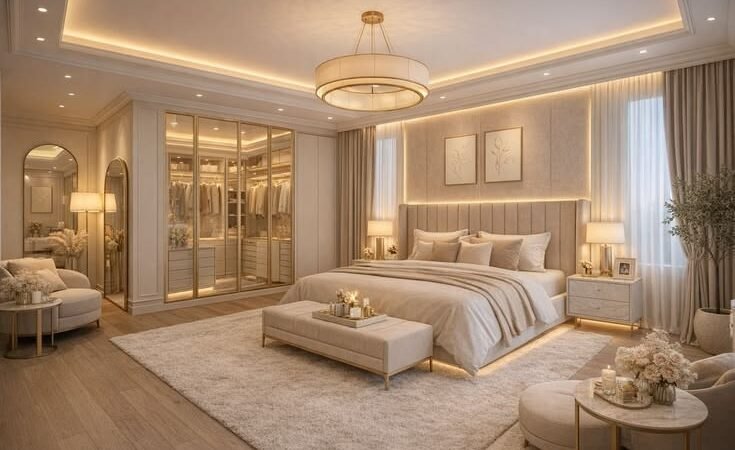
Interior Design combines comfort, functionality, and modern style into one practical approach. The goal is not to fill rooms with expensive decorations but to make every corner useful and visually pleasing. What it means is that your home should support your daily routine while also reflecting your personality. Instead of copying magazine designs exactly, this style encourages homeowners to adapt ideas that work for their own needs, making each room feel personal and balanced.
Why Good Interior Design Matters
A well-designed home affects more than appearance because it also influences how people feel every day. Bright spaces often improve mood, organized rooms reduce stress, and comfortable furniture encourages relaxation. What it means is that interior design is not only about decoration but also about improving your quality of life. interior design focuses on creating spaces where families can enjoy spending time together while maintaining a clean and organized environment.
Creating a Clear Design Plan
Before buying furniture or painting walls, it is important to have a clear plan. Every successful room starts with understanding its purpose and the people who will use it. What it means is that planning helps prevent costly mistakes and creates a balanced design from the beginning. interior design encourages measuring spaces carefully, setting a realistic budget, and choosing a consistent style before making major decisions.
Choosing the Right Color Palette
Colors influence how large, bright, and comfortable a room feels. Light shades often make small spaces appear larger, while darker colors add warmth and character when used correctly. What it means is that color selection should match both the room’s size and its purpose. interior design often recommends combining neutral backgrounds with colorful accessories, allowing homeowners to refresh their space easily without repainting entire rooms.
Selecting Comfortable Furniture
Furniture should always provide comfort before focusing on appearance alone. A beautiful sofa loses its value if it is uncomfortable to sit on every day. What it means is that every furniture piece should improve both function and style. interior design promotes choosing durable materials, comfortable seating, and practical layouts that allow people to move freely throughout the room.
Making Small Spaces Feel Bigger
Many people believe they need a larger home to enjoy beautiful interiors, but thoughtful design proves otherwise. Mirrors reflect light, floating shelves save floor space, and multifunctional furniture creates flexibility. What it means is that smart planning often matters more than square footage. interior design shows how even compact apartments can feel open, organized, and welcoming.
The Importance of Natural Light
Natural sunlight transforms every room by making it feel fresh and energetic. Large windows, light curtains, and reflective surfaces help maximize available daylight throughout the home. What it means is that better lighting creates healthier and happier living spaces. interior design encourages homeowners to avoid blocking windows with oversized furniture whenever possible.
Using Artificial Lighting Effectively
While natural light is valuable, artificial lighting becomes essential during evenings and cloudy days. Layering ceiling lights, floor lamps, wall sconces, and table lamps creates depth throughout a room. What it means is that different lighting serves different purposes, from reading and cooking to relaxing after work. interior design recommends combining several light sources instead of relying on one bright ceiling fixture.
Decorating with Texture
Texture adds visual interest without making a room feel crowded. Soft rugs, knitted blankets, wooden furniture, woven baskets, and stone surfaces create warmth and depth. What it means is that texture allows simple color schemes to feel rich and inviting. interior design often combines smooth and rough materials to create balanced interiors that remain visually interesting.
Bringing Nature Indoors
Plants instantly improve the atmosphere of almost any room. Besides adding color, many indoor plants also help create a fresh and calming environment. What it means is that natural elements connect people with nature while softening modern interiors. interior design frequently includes greenery because it enhances both beauty and comfort.
Organizing Without Sacrificing Style
Storage plays an important role in maintaining attractive interiors. Hidden cabinets, decorative baskets, and built-in shelves help reduce visible clutter while keeping daily essentials nearby. What it means is that organization itself becomes part of the overall design. interior design believes that tidy spaces appear larger, cleaner, and more peaceful.
Designing a Welcoming Living Room
The living room often becomes the center of family life where people relax, watch television, entertain guests, and spend quality time together. What it means is that comfort should guide every design decision. interior design encourages arranging seating to support conversation while adding soft lighting, artwork, and decorative pillows that make the space feel warm and inviting.
Building a Peaceful Bedroom
A bedroom should encourage rest rather than distraction. Comfortable bedding, calming colors, and minimal clutter create an environment that supports better sleep. What it means is that simplicity often produces the most relaxing atmosphere. interior design recommends limiting unnecessary decorations while focusing on comfort, lighting, and quality furniture.
Creating a Functional Kitchen
The kitchen should combine efficiency with attractive design. Well-organized cabinets, practical countertops, and thoughtful storage improve everyday cooking experiences. What it means is that beautiful kitchens should also support daily routines. interior design encourages choosing durable materials that remain attractive while handling regular use.
Improving Bathroom Design
Bathrooms benefit from simple layouts, quality lighting, and moisture-resistant materials. Even small bathrooms can appear elegant through thoughtful organization and clean design. What it means is that functionality should always work together with visual appeal. interior design often recommends large mirrors and light colors to create an open feeling.
Designing a Productive Home Office
Working from home requires a comfortable environment that supports focus and creativity. A supportive chair, organized desk, and proper lighting improve productivity throughout the day. What it means is that your workspace should reduce distractions instead of creating them. interior design promotes clean work areas that remain both practical and visually pleasant.
Adding Personal Character
Every home should tell the story of the people who live there. Family photographs, travel souvenirs, artwork, books, and meaningful decorations create emotional connections within each room. What it means is that personalization makes a house feel like home. interior design encourages decorating with meaningful items rather than filling shelves with random decorations.
Avoiding Common Interior Design Mistakes
Many homeowners purchase furniture before measuring rooms or select decorations without considering the overall style. Others overcrowd spaces or ignore lighting completely. What it means is that thoughtful planning prevents unnecessary expenses and disappointing results. interior design emphasizes patience, careful planning, and balanced decorating instead of making rushed decisions.
Keeping Up with Modern Design Trends
Interior design trends continue to evolve, but timeless principles remain valuable. Sustainable materials, curved furniture, smart home technology, and natural finishes are becoming increasingly popular. What it means is that trends should inspire rather than control your choices. interior design encourages selecting ideas that continue looking attractive for years instead of following every short-term trend.
Making Interior Design Affordable
Creating a beautiful home does not always require a large budget. Painting walls, updating lighting, rearranging furniture, and adding new cushions or rugs can dramatically improve a room. What it means is that thoughtful improvements often produce better results than expensive renovations. interior design demonstrates that creativity and planning frequently matter more than spending large amounts of money.
Conclusion
interior design offers a practical way to create homes that are comfortable, functional, and visually appealing. By focusing on thoughtful planning, balanced colors, smart furniture choices, proper lighting, organization, and personal style, anyone can improve their living space regardless of budget or home size. What it means is that successful interior design is not about perfection but about creating spaces that support your everyday life while expressing your personality. As you apply these ideas step by step, your home can become a place that feels more relaxing, organized, and enjoyable for everyone who lives there.
Frequently Asked Questions
What is interior design?
interior design is a practical home decorating approach that focuses on comfort, functionality, organization, and modern style while keeping spaces welcoming and easy to maintain.
Is interior design suitable for small homes?
Yes. It emphasizes smart storage, multifunctional furniture, good lighting, and efficient layouts that help small homes feel larger and more comfortable.
Which colors work best in interior design?
Neutral colors such as white, beige, gray, and soft earth tones work well because they create bright, calm, and timeless interiors.
Can I follow interior design on a budget?
Absolutely. Rearranging furniture, painting walls, improving lighting, and adding affordable decorative accessories can make a significant difference without spending a lot.
Why is lighting important in interior design?
Lighting improves comfort, highlights design features, supports daily activities, and creates different moods throughout the home.
Read also: Home Improvement MintPalDecor Smart Ideas to Transform Your Home