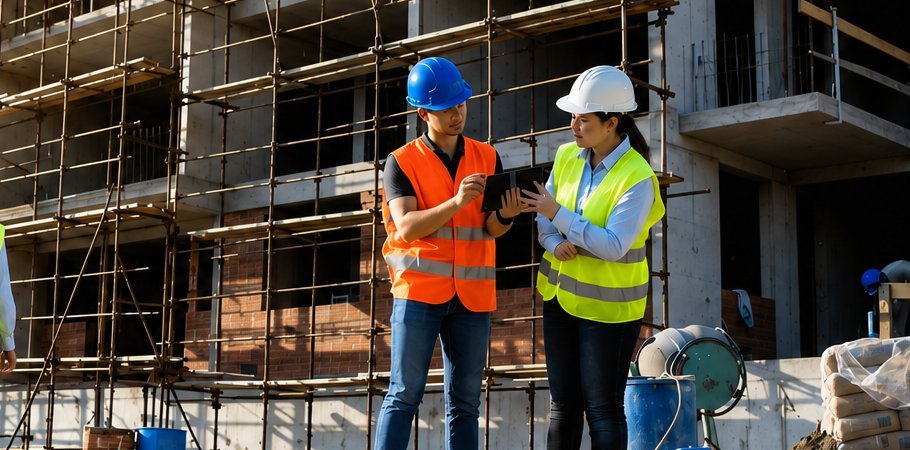
Commercial building construction is the process of designing, planning, and constructing buildings intended for business purposes, such as offices, shopping centers, warehouses, hotels, schools, hospitals, and industrial facilities. Unlike residential projects, commercial developments involve larger budgets, stricter regulations, advanced engineering, and careful coordination between architects, contractors, engineers, and project managers. Whether you are a property investor, business owner, or developer, understanding how commercial construction works can help you make informed decisions, reduce costly mistakes, and ensure your project meets both functional and financial goals.
What Is Commercial Building Construction?
Commercial building construction refers to the development of structures designed for commercial, industrial, institutional, or public use rather than private housing. These projects range from small retail stores and office spaces to large shopping malls, manufacturing plants, healthcare facilities, and educational campuses. Every project follows a structured process that includes planning, design, permitting, construction, inspections, and final occupancy while meeting local building codes, safety regulations, and environmental standards.
Types of Commercial Building Construction
Commercial construction covers a wide variety of building types, each serving different industries and business needs. Common examples include office buildings, retail centers, restaurants, hotels, warehouses, factories, hospitals, schools, entertainment venues, parking structures, and mixed-use developments that combine commercial and residential spaces. Each type requires specialized planning, materials, and construction techniques to meet operational requirements and long-term performance expectations.
Planning a Commercial Building Construction Project
Every successful commercial building construction project begins with detailed planning that identifies the project’s purpose, budget, timeline, location, legal requirements, and long-term goals. During this stage, developers work closely with architects, engineers, financial advisors, and contractors to evaluate site conditions, estimate costs, assess potential risks, and develop a realistic construction schedule that keeps the project on track from beginning to completion.
Choosing the Right Location
The location of a commercial property directly affects its accessibility, customer traffic, operating costs, and future value. Developers typically consider transportation access, surrounding infrastructure, zoning regulations, population growth, environmental conditions, and nearby businesses before purchasing land. A carefully selected site can improve business performance while increasing the property’s long-term investment potential.
Commercial Building Design Process
Design plays a major role in creating a building that is both attractive and highly functional. Architects focus on efficient floor plans, energy efficiency, structural integrity, safety standards, accessibility requirements, and future expansion possibilities while balancing the client’s budget and operational needs. Modern commercial designs often prioritize natural lighting, flexible workspaces, sustainable materials, and smart building technologies.
Construction Permits and Legal Requirements
Before construction begins, developers must obtain permits and approvals from local authorities to ensure the project complies with zoning laws, fire safety regulations, environmental requirements, and building codes. Completing this process early helps avoid delays, legal issues, unexpected expenses, and costly redesigns that can affect the overall project schedule.
Budgeting for Commercial Building Construction
Creating a realistic budget is one of the most important steps in commercial construction because expenses extend beyond materials and labor. Costs typically include land acquisition, architectural design, engineering services, permits, equipment, utilities, site preparation, insurance, inspections, project management, and contingency funds for unexpected challenges that may arise during construction.
Major Stages of Commercial Building Construction
A commercial building construction project generally moves through several phases, beginning with site preparation and excavation before progressing to foundation work, structural framing, roofing, exterior walls, utility installation, interior construction, finishing work, inspections, and final occupancy approval. Careful coordination throughout each stage helps maintain quality while reducing delays and minimizing unnecessary expenses.
Materials Used in Commercial Construction
Commercial buildings are constructed using durable materials that provide strength, safety, and long-term performance under heavy daily use. Reinforced concrete, structural steel, brick, glass curtain walls, aluminum systems, insulated panels, drywall, and high-performance roofing materials are commonly selected based on building size, local climate, maintenance requirements, and sustainability goals.
The Importance of Structural Engineering
Structural engineering ensures that commercial buildings remain safe, durable, and capable of supporting their intended loads throughout their lifespan. Engineers carefully calculate the strength of foundations, beams, columns, floors, and roofing systems while considering wind resistance, seismic activity, environmental conditions, and future occupancy requirements to create structures that meet strict safety standards.
Sustainable Commercial Building Construction
Sustainability has become a major priority in modern commercial building construction because businesses want to reduce operating costs while minimizing environmental impact. Many new projects include energy-efficient HVAC systems, solar panels, water-saving fixtures, recycled construction materials, LED lighting, advanced insulation, and smart energy management systems that improve efficiency while supporting long-term environmental goals.
Technology Transforming Commercial Construction
Technology has significantly improved how commercial buildings are planned and constructed by increasing accuracy, efficiency, and collaboration among project teams. Digital modeling, Building Information Modeling (BIM), drones, construction management software, laser scanning, and automated equipment help identify problems early, reduce waste, improve communication, and keep projects on schedule.
Common Challenges During Construction
Commercial construction projects often face challenges such as rising material prices, labor shortages, weather delays, permit issues, supply chain disruptions, design changes, and unexpected site conditions. Experienced project managers reduce these risks through careful planning, clear communication, accurate scheduling, and proactive problem-solving throughout every phase of construction.
How to Choose the Right Commercial Contractor
Selecting a qualified contractor is essential for achieving quality results within budget and on schedule. Business owners should evaluate experience with similar projects, licensing, certifications, insurance coverage, safety records, project portfolios, client reviews, financial stability, communication skills, and the contractor’s ability to manage complex commercial developments effectively.
Safety Standards in Commercial Construction
Safety remains one of the highest priorities on every commercial construction site because protecting workers, visitors, and future occupants is essential for project success. Contractors implement comprehensive safety programs that include employee training, protective equipment, hazard identification, equipment inspections, emergency response procedures, and compliance with national and local workplace safety regulations.
Cost Factors That Affect Commercial Projects
Several factors influence the total cost of commercial building construction, including project size, location, labor availability, material selection, architectural complexity, local regulations, utility connections, environmental conditions, technology integration, and market demand. Understanding these variables allows developers to make smarter financial decisions and prepare realistic project budgets.
Future Trends in Commercial Building Construction
The future of commercial building construction is focused on sustainability, digital innovation, modular construction, prefabrication, smart building systems, artificial intelligence, automation, and environmentally responsible building materials. These advancements are helping developers complete projects more efficiently while creating buildings that are safer, more energy-efficient, and better suited for changing business needs.
Conclusion
Commercial building construction is far more than assembling steel, concrete, and glass—it is a carefully planned process that transforms ideas into functional spaces where businesses can grow and communities can thrive. From selecting the right location and creating an efficient design to managing budgets, following regulations, and embracing sustainable practices, every decision contributes to the long-term success of a project. By working with experienced professionals and planning each phase carefully, developers can build commercial properties that deliver lasting value, safety, and strong returns on investment.
Frequently Asked Questions
1. What is commercial building construction?
Commercial building construction is the process of constructing buildings designed for business, industrial, institutional, or public use, including offices, retail stores, hospitals, warehouses, and schools.
2. How long does commercial building construction take?
The timeline depends on project size and complexity, but most commercial projects take several months to multiple years from planning to completion.
3. What are the main stages of commercial construction?
The primary stages include planning, design, permitting, site preparation, foundation work, structural construction, interior finishing, inspections, and final occupancy.
4. What factors affect commercial construction costs?
Costs are influenced by location, building size, labor, materials, permits, design complexity, site conditions, technology, and market prices.
5. Why is sustainability important in commercial construction?
Sustainable construction reduces energy consumption, lowers operating costs, minimizes environmental impact, and increases long-term building efficiency.